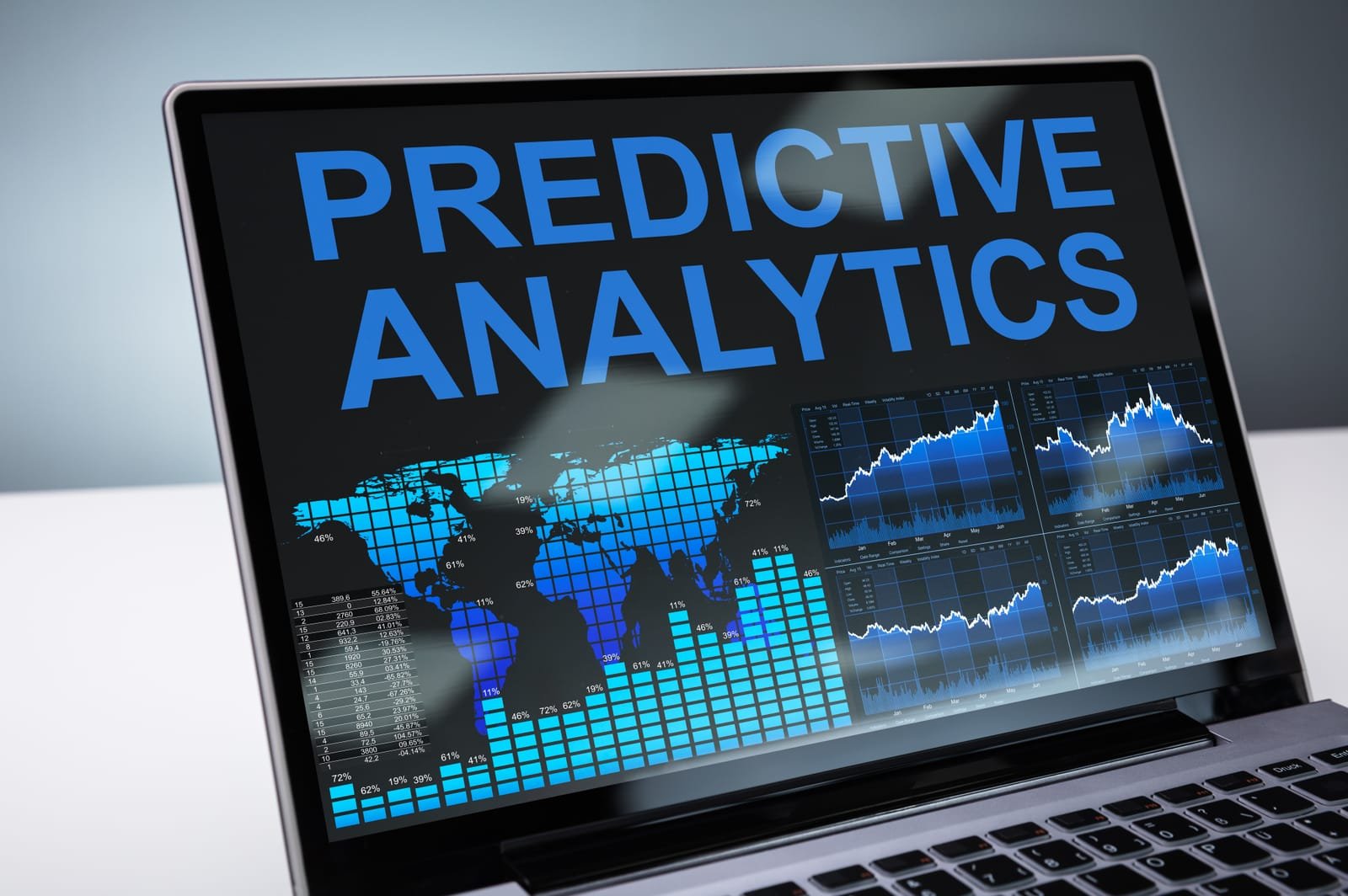
Predictive analytics uses data, statistical models, and machine learning to forecast future outcomes. For NGOs and NPOs, it helps identify donors, forecast giving, and improve campaign return on investment (ROI).
Why Predictive Analytics Matters
Predictive models improve decision making by using your existing data to:
• Score donors by likelihood to give again (having a GDPR-compliant customer relationship management (CRM) system has probably never hurt an NGO)
• Estimate gift amounts before you ask
• Target campaigns with the highest return
• Reduce fundraising costs by focusing on high-value prospects
Research shows that data-driven fundraising can increase revenue by 15 to 30 percent. Source: Fundraising Effectiveness Project, Giving USA 2024.
Key Data Sources
Your models work best when you feed them multiple data points. Core data types include:
• Donor history (frequency, recency, amount)
• Demographics (age, location)
• Engagement metrics (event attendance, email opens)
• External data (wealth indicators, public records)
Third-party data providers include:
• L2 (wealth screening)
• DonorSearch (predictive donor scoring)
• Blackbaud’s Target Analytics
How Predictive Scoring Works
- Collect clean data. Remove duplicates and fill gaps.
- Choose a model type. Logistic regression for binary outcomes, random forest for complex patterns.
- Train model. Use historical donor behavior to teach the model.
- Score prospects. Assign a likelihood score for giving.
- Segment and act. Focus outreach on high-score groups.
Practical Use Cases
1. Major Gift Targeting
Use scores to identify mid-level donors ready for upgrade.
Example: A donor with 5+ gifts and high engagement score may be ready for a major gift ask.
2. Churn Prediction
Predict donors at risk of lapsing. Target them with retention campaigns.
This raises lifetime donor value. Source: Nonprofit Tech for Good 2025 Report.
3. Campaign Personalization
Use predicted gift range to tailor ask amounts.
This improves conversion and gift size.
Tools and Platforms
Low cost or accessible options
• Microsoft Excel with add-ins like XLMiner
• Google Cloud AutoML (entry level)
• KNIME (open source workflow-based analytics)
Enterprise-level
• Salesforce Einstein Analytics
• Blackbaud Raiser’s Edge NXT
• Bloomerang + predictive modules
Implementation Steps
- Audit your data.
Check quality and completeness. - Define goals.
Decide what you want to predict. - Select tools and expertise.
Use internal analysts or external consultants. - Pilot a model.
Test on a subset of donors. - Measure results.
Track lift in response rates, gifts, and ROI.
Ethical and Legal Notes
• Respect donor privacy.
• Follow GDPR, CCPA, and local data laws.
• Be transparent about data use in your privacy policy.
Resources: GDPR Guide for Nonprofits (ico.org.uk).
Additional Resources
• “Predictive Analytics for Fundraising” by Steven MacLaughlin (book)
• Blackbaud research: https://www.blackbaud.com/nonprofit-resources
• Data quality tips: https://bloomerang.co/resources