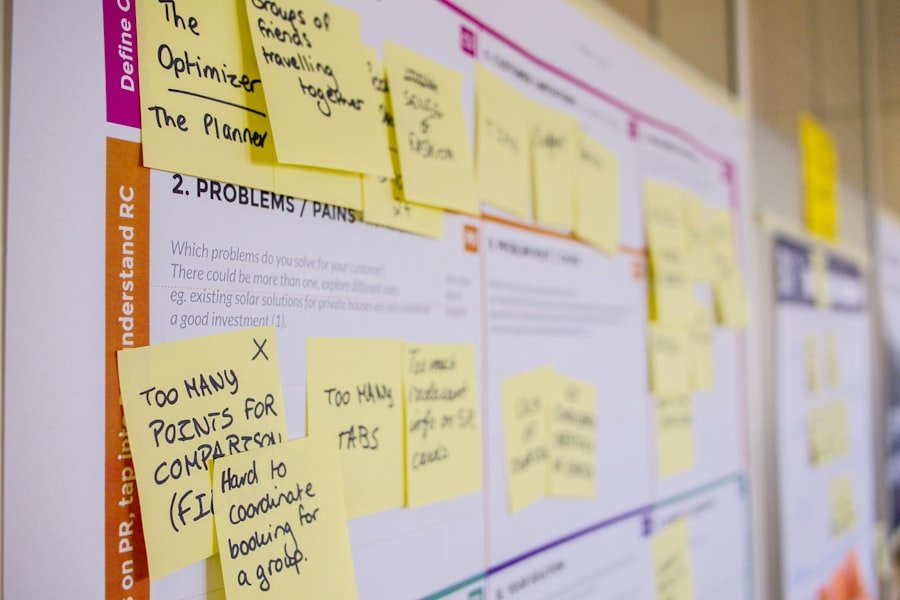

To create a successful website, especially for non-profit organizations or community initiatives, it’s crucial to first understand the audience you’re trying to reach.
This involves more than just knowing their demographics; it’s about grasping their motivations, interests, and pain points.
For instance, if your target audience consists of young professionals interested in environmental conservation, you might find that they prefer engaging content that highlights actionable steps they can take.
Conducting surveys, interviews, or focus groups can provide invaluable insights into what your audience values most. Moreover, understanding your audience means recognizing the diversity within it. Different segments may have varying preferences for communication styles, visual aesthetics, and even the types of content they engage with.
For example, older generations might appreciate more straightforward language and traditional layouts, while younger audiences may gravitate towards vibrant visuals and interactive elements. By segmenting your audience and tailoring your approach accordingly, you can create a more personalized experience that resonates deeply with each group.
Key Takeaways
- Understand the needs and preferences of your audience to tailor your website content and design accordingly.
- Create a clear and intuitive navigation system to help users easily find the information they are looking for.
- Utilize compelling visual design and imagery to engage and captivate your audience.
- Prioritize accessibility and inclusivity to ensure that all users, regardless of ability, can access and use your website.
- Streamline the donation process to make it easy and convenient for users to support your cause.
Creating a Clear and Intuitive Navigation System
Understanding the Importance of Navigation
Imagine walking into a store where everything is haphazardly placed; you’d likely feel frustrated and leave without making a purchase. The same principle applies to websites. A well-structured navigation system is crucial to ensure users can find what they’re looking for quickly and efficiently.
Organizing Content for Easy Access
This means organizing content into logical categories and ensuring that key information is easily accessible. Consider employing a top-level menu that highlights the most important sections of your site, such as “About Us,” “Get Involved,” “Programs,” and “Donate.” Each of these categories should then lead to subcategories that further break down the information.
Adding a Search Bar for Convenience
Additionally, incorporating a search bar can be a game-changer for users who know exactly what they want but don’t want to sift through multiple pages to find it.
Utilizing Compelling Visual Design and Imagery

Great image, but do you have the copyright?
Visual design plays a pivotal role in capturing attention and conveying your message effectively. A website that is visually appealing not only attracts visitors but also keeps them engaged longer. Think about the last time you visited a website that was cluttered with text and lacked visual breaks; it probably didn’t hold your interest for long.
To avoid this pitfall, invest in high-quality images, videos, and graphics that align with your mission and values. Do ot use images that you don’t have the copyright for – imagery should tell a story and evoke emotions that resonate with your audience – not steal from others. For instance, if your organization focuses on animal rescue, using heartwarming photos of rescued animals can create an emotional connection with visitors.
Additionally, color schemes should reflect your brand identity while also being mindful of color psychology—warm colors can evoke feelings of excitement and urgency, while cooler tones may promote calmness and trust. By thoughtfully curating your visual elements, you can create an inviting atmosphere that encourages users to stay and explore.
Prioritizing Accessibility and Inclusivity
In today’s digital landscape, accessibility is not just a nice-to-have; it’s a necessity. A website should be designed to accommodate all users, including those with disabilities. This means adhering to Web Content Accessibility Guidelines (WCAG) to ensure that everyone can navigate your site effectively.
For example, using alt text for images allows visually impaired users to understand the content through screen readers. Similarly, ensuring that your site is navigable via keyboard shortcuts can make a significant difference for those who cannot use a mouse. Inclusivity goes beyond physical accessibility; it also encompasses language and cultural considerations. This is much more complex than it sounds and takes time to get the right balance between functionality and visual appeal.
Providing content in multiple languages or using simple language can help reach a broader audience, but is it really necessary and will it slow down a website? Most users will most likely enable a translation function if needed Additionally, consider the cultural context of your imagery and messaging—what resonates with one group may not have the same impact on another – not everyone is a white man. By prioritizing accessibility and inclusivity, you not only expand your reach but also demonstrate a commitment to serving all members of your community.
Streamlining the Donation Process
For non-profits, the donation process is often the lifeblood of their operations. If this process is cumbersome or confusing, potential donors may abandon their efforts before completing their contributions. To streamline this experience, start by minimizing the number of steps required to make a donation.
Ideally, users should be able to complete their transaction in just a few clicks. Consider implementing features like one-click donations or pre-filled forms for returning donors to make the process even smoother. Transparency is also key; clearly communicate how donations will be used and the impact they will have on your mission.
This not only builds trust but also encourages donors to feel more connected to your cause. By simplifying the donation process and making it as user-friendly as possible, you can significantly increase conversion rates and foster long-term support.
Integrating Social Media and Community Engagement

Yes, I want to follow you
In an age where social media dominates our daily interactions, integrating these platforms into your website can enhance community engagement significantly. Social media buttons should be prominently displayed on your site, allowing visitors to easily share content or follow your organization’s updates. This not only broadens your reach but also fosters a sense of community among supporters who can connect with one another through shared interests.
Additionally, consider embedding social media feeds directly onto your website. This provides real-time updates on your organization’s activities and encourages visitors to engage with your content on multiple platforms. Hosting online events or campaigns that encourage user-generated content can also create buzz and excitement around your cause.
By leveraging social media effectively, you can cultivate a vibrant online community that actively participates in your mission.
Implementing Responsive Design for Mobile Users
With an increasing number of users accessing websites via mobile devices, responsive design has become essential for any modern website. A responsive design ensures that your site looks great and functions well on screens of all sizes—from smartphones to tablets to desktop computers. If users encounter a site that isn’t optimized for their device, they’re likely to leave in frustration.
To achieve responsive design, consider using flexible grids and layouts that adapt based on screen size. Test your site on various devices to ensure that all elements are easily accessible and visually appealing across platforms. Additionally, prioritize loading speed; mobile users often have less patience for slow-loading pages than desktop users do.
By creating a mobile-friendly experience, you not only cater to a broader audience but also enhance user satisfaction.
Measuring and Improving Website Performance
Finally, creating an effective website is an ongoing process that requires regular measurement and improvement. Utilize analytics tools to track user behavior on your site—this data can provide insights into which pages are performing well and which may need adjustments. For instance, if you notice high bounce rates on certain pages, it may indicate that the content isn’t resonating with visitors or that navigation is unclear.
Regularly soliciting feedback from users can also provide valuable insights into their experiences on your site.
Consider implementing surveys or feedback forms to gather opinions on usability and content relevance. Based on this data, make iterative improvements to enhance user experience continually.
Remember, a website is not a static “set it and forget it” entity; it should evolve alongside your organization’s goals and the needs of its audience. In conclusion, building an effective website requires a multifaceted approach that prioritizes understanding your audience, creating intuitive navigation, utilizing compelling visuals, ensuring accessibility, streamlining processes, engaging through social media, optimizing for mobile use, and continuously measuring performance. By focusing on these key areas, you can create a website that not only serves its purpose but also fosters meaningful connections with users and supports your mission effectively.