
In today’s digital age, the terms disinformation, mal-information, and misinformation have become buzzwords that often get tossed around without a clear understanding of their meanings. Disinformation refers to false information that is deliberately spread with the intent to deceive. Think of it as the digital equivalent of a magician pulling a rabbit out of a hat—except instead of a cute bunny, you’re left with a tangled mess of lies.
Mal-information, on the other hand, involves the sharing of genuine information with the intent to cause harm. This could be something like leaking private information or sharing sensitive data to ruin someone’s reputation. Finally, misinformation is the unintentional spread of false information.
It’s like that game of telephone, where one person whispers a message to another, and by the time it reaches the last person, it’s completely distorted. Understanding these distinctions is crucial for anyone navigating the vast ocean of information available online. The internet has democratized knowledge, allowing anyone with a smartphone to share their thoughts and opinions.
While this is empowering, it also means that falsehoods can spread like wildfire. A single tweet can reach millions in seconds, and before you know it, a baseless rumor can morph into a widely accepted “fact.” This phenomenon not only erodes trust in legitimate sources but also has real-world consequences, from influencing elections to affecting public health decisions. As we grapple with these challenges, it becomes increasingly important to develop a keen eye for spotting the differences between these types of information.
Monitoring and Identifying False Information on Social Media
Social media platforms have become breeding grounds for false information, making it essential for users to monitor and identify misleading content actively. The sheer volume of posts can be overwhelming; every second, thousands of tweets are sent out, and countless images are shared across platforms like Facebook and Instagram. This rapid-fire exchange of information can make it difficult to discern what’s true and what’s not.
However, there are tools and strategies that can help individuals sift through the noise. The most important tool is common sense. If it sounds like misinformation, it probably is. Think proving rather than disproving. Going further, for instance, using fact-checking websites or browser extensions, can provide quick insights into the credibility of a source or claim. Moreover, being aware of common tactics used by purveyors of false information can significantly enhance your ability to identify misleading content.
Look out for sensational headlines or AI images and video designed to provoke an emotional response or images that seem too good (or bad) to be true. Often, these posts lack credible sources or provide only partial information. Engaging with social media critically means asking questions: primarily, who created this content, and why?
What evidence supports it?
Is there a hidden agenda? Even though you may not agree with the premise or the opinion, what is the message trying to accomplish? By adopting a skeptical mindset and employing these strategies, you can become more adept at navigating the murky waters of social media.
Fact-Checking and Verifying Information
Countries like the Baltics have developed whole agencies to deal with disinformation
Once you’ve identified potentially false information, the next step is fact-checking and verifying its accuracy. This process is akin to being a detective in your own right—gathering evidence, interviewing sources, and piecing together the truth from various clues. Critical thinking is key. Numerous reputable fact-checking organizations exist today, such as Snopes, FactCheck.org, and PolitiFact.
These platforms specialize in investigating claims and providing well-researched conclusions about their validity. When you come across a dubious statement or viral post, taking a moment to consult these resources can save you from spreading misinformation. However, fact-checking isn’t solely about relying on established organizations; it also involves honing your research skills.
Learning how to evaluate sources critically is essential in this digital landscape. Look for primary sources—original documents or firsthand accounts—rather than relying solely on secondary interpretations. Cross-referencing multiple sources can also provide a more comprehensive view of the issue at hand.
In an age where information is abundant yet often misleading, developing strong fact-checking skills empowers you to contribute positively to discussions and helps combat the spread of falsehoods.
Engaging with the Community to Promote Accurate Information
Engagement is key when it comes to promoting accurate information within your community. Whether you’re part of an online forum or a local group, fostering open discussions about misinformation can create an environment where truth prevails over falsehoods. Start by sharing your findings from fact-checking efforts or discussing recent examples of misinformation that have circulated in your circles. You might be surprised how widespread it is. Remember, your anger at a post might be in fact misdirected – pseudo profiles post trolling to in fact get more clicks and comments.
By initiating conversations about these topics, you encourage others to think critically about the information they encounter. Moreover, community engagement can take many forms beyond casual discussions. Organizing workshops or informational sessions on media literacy can equip others with the tools they need to identify misinformation themselves.
Collaborating with local schools or libraries to host events focused on critical thinking and fact-checking can have a lasting impact on your community’s ability to navigate information effectively. When individuals feel empowered to question what they see online and share accurate information with others, the collective effort becomes a powerful force against disinformation.
Creating and Sharing Educational Content
Creating educational content is another effective way to combat misinformation and promote accurate information. Whether through blog posts, videos, or social media campaigns, sharing knowledge can help demystify complex topics and clarify misconceptions. For instance, if you’re passionate about public health issues, consider creating infographics that break down common myths surrounding vaccines or nutrition.
Visual content tends to be more engaging and shareable, making it an excellent tool for reaching wider audiences. Additionally, storytelling can be a powerful method for conveying important messages. Personal anecdotes or case studies can humanize complex issues and make them relatable to your audience.
When people see how misinformation has affected real lives—whether through health crises or social unrest—they may be more inclined to take action against it. By crafting compelling narratives that highlight the importance of accurate information, you not only educate but also inspire others to join the fight against disinformation.
Collaborating with Other Organizations and Experts
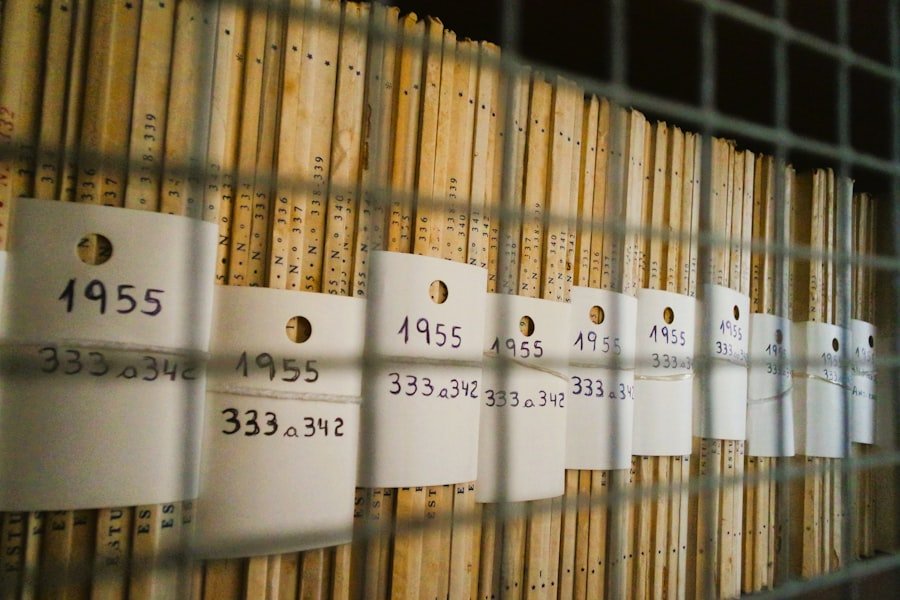
Paper doesn’t really exist anymore but screenshots and downloads prove intent
Access to Expertise
Partnering with local universities or research institutions can provide access to experts who can lend credibility to initiatives and provide valuable insights. These collaborations can lead to joint events, research projects, or campaigns that raise awareness about misinformation in the community.
Reaching a Wider Audience
Engaging with social media influencers or public figures who are passionate about media literacy can help spread the message further. Their established platforms can reach audiences that may not be aware of the issues surrounding misinformation, increasing the impact of efforts to promote accurate information.
Building a Network of Support
By pooling resources and expertise with others who are equally committed to promoting accurate information, individuals can create a network of support that strengthens their efforts and fosters a culture of truthfulness. This collective approach can lead to a more significant and lasting impact in the fight against misinformation.
Advocating for Policies to Counter False Information
Advocacy plays a crucial role in addressing the systemic issues surrounding misinformation and disinformation. Engaging with policymakers to promote legislation aimed at curbing false information online is essential for creating lasting change. This could involve advocating for transparency in social media algorithms or pushing for stricter regulations on advertising practices that allow misleading content to flourish.
By voicing concerns and proposing solutions at local or national levels, you contribute to shaping policies that prioritize accurate information. Additionally, grassroots movements can be incredibly effective in raising awareness about misinformation issues within communities. Organizing campaigns that encourage citizens to demand accountability from social media platforms can create pressure for change.
When people unite around a common cause—such as advocating for better fact-checking practices or promoting digital literacy programs—their collective voice becomes harder for policymakers to ignore.
Evaluating and Adapting Strategies for Countering Disinformation
Finally, evaluating and adapting strategies for countering disinformation is an ongoing process that requires flexibility and responsiveness. The landscape of misinformation is constantly evolving; new tactics emerge as quickly as old ones are debunked. Regularly assessing the effectiveness of your initiatives allows you to identify what works and what doesn’t.
Gathering feedback from community members or analyzing engagement metrics can provide valuable insights into how well your efforts resonate with your audience. Moreover, staying informed about emerging trends in misinformation is crucial for adapting your strategies effectively. Following reputable news sources or subscribing to newsletters focused on media literacy can keep you updated on new developments in this field.
By remaining agile and open to change, you ensure that your approach remains relevant and impactful in combating disinformation. In conclusion, navigating the complex world of disinformation requires vigilance, critical thinking, and community engagement. By understanding the nuances between disinformation, mal-information, and misinformation; monitoring social media; fact-checking claims; engaging with others; creating educational content; collaborating with organizations; advocating for policy changes; and continuously evaluating strategies, we can collectively work towards fostering an informed society where truth prevails over falsehoods.