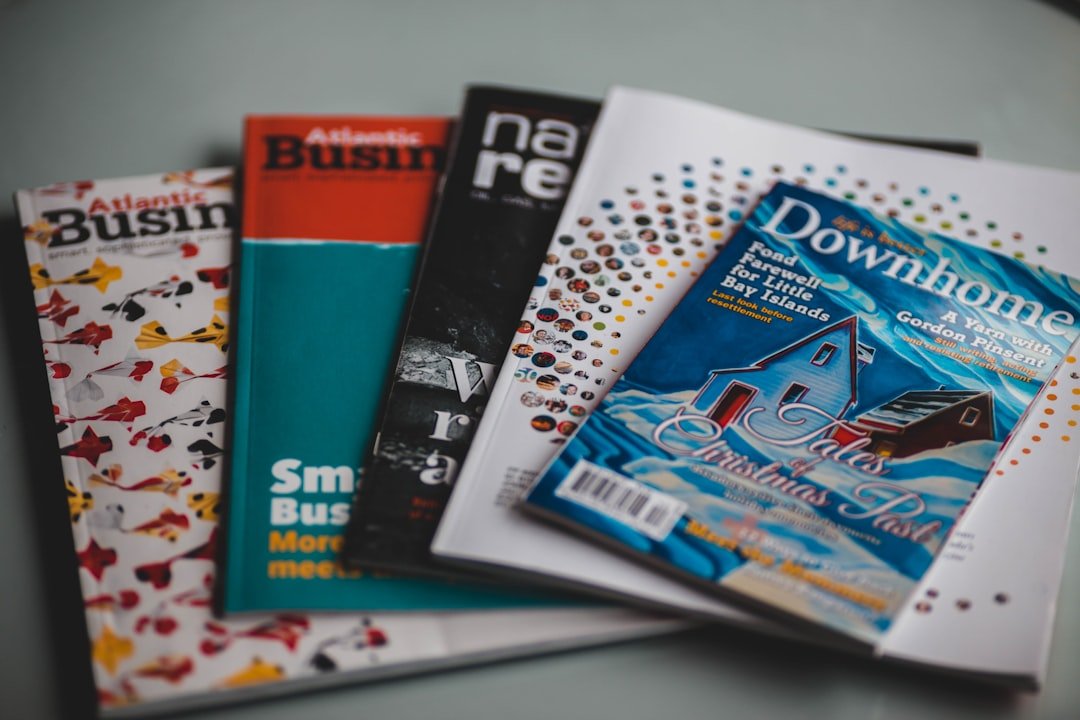

A press release serves as a bridge between an organization and the media, acting as a formal announcement that conveys newsworthy information. It’s not merely a tool for self-promotion; rather, it’s a strategic communication device designed to inform journalists and the public about significant events, product launches, or changes within a company. The essence of a press release lies in its ability to generate interest and coverage, ultimately shaping public perception and driving engagement.
When crafted effectively, it can lead to articles, interviews, and discussions that amplify the message far beyond the initial announcement. Moreover, a well-executed press release can enhance credibility. In an age where information is abundant yet often unreliable, a press release provides a structured format that journalists can trust.
It offers verified facts and figures, making it easier for media outlets to report accurately. This credibility is crucial, especially for businesses looking to establish themselves in competitive markets. By understanding the purpose of a press release, organizations can leverage this tool to not only share news but also build relationships with the media and their audience.
Identifying the Target Audience
Knowing your target audience is akin to having a compass in uncharted territory; it guides your messaging and ensures that your press release resonates with the right people. The audience can vary widely depending on the nature of the announcement. For instance, if you’re launching a new tech gadget, your primary audience might include tech journalists, bloggers, and influencers who specialize in technology.
Conversely, if you’re announcing a community event, local newspapers and community-focused platforms would be more appropriate. Identifying this audience allows you to tailor your language, tone, and content to meet their expectations and interests. Understanding your audience also involves recognizing their needs and preferences.
What questions are they likely to have? What information will they find most compelling? By answering these questions, you can create a press release that not only informs but also engages.
For example, if your target audience consists of environmentally conscious consumers, highlighting sustainable practices in your product launch could be a game-changer. Ultimately, knowing who you’re speaking to helps you craft a message that resonates and encourages action.
Crafting a Compelling Headline
The headline of a press release is your first—and often only—chance to grab attention. It’s the bait on the hook that lures journalists and readers alike into wanting to know more. A compelling headline should be concise yet descriptive, encapsulating the essence of the announcement while piquing curiosity.
Think of it as the title of a book; if it doesn’t intrigue potential readers, they’re unlikely to pick it up. Using strong action verbs and clear language can make your headline pop. For instance, instead of saying “New Product Launch,” consider something like “Revolutionary Eco-Friendly Gadget Set to Transform Daily Life.” Additionally, incorporating keywords relevant to your industry can enhance visibility in search engines and social media platforms.
This is particularly important in today’s digital landscape where many journalists rely on online searches for story ideas. A well-crafted headline not only attracts attention but also sets the tone for the rest of the press release. It should promise value or insight that compels the reader to continue exploring the content.
Writing a Clear and Concise Body
Once you’ve hooked your audience with an engaging headline, it’s time to deliver on that promise in the body of your press release. Clarity is paramount here; journalists are often pressed for time and appreciate straightforward information that gets to the point quickly.
Start with the most critical details: who, what, when, where, why, and how.
This inverted pyramid style ensures that even if readers only skim through the first few sentences, they still grasp the essential elements of your announcement. Conciseness doesn’t mean sacrificing depth; rather, it’s about being efficient with your words. Avoid jargon or overly complex language that could alienate readers unfamiliar with your industry.
Instead, aim for a conversational tone that invites engagement while maintaining professionalism. Bullet points can be effective for listing key features or benefits, making it easier for journalists to extract information quickly. Remember, the goal is to provide enough context and detail to inform without overwhelming.
Including Quotes and Testimonials
Incorporating quotes from key stakeholders adds a human touch to your press release and lends authenticity to your message. Whether it’s a statement from the CEO about the vision behind a new product or feedback from customers who have tested it, quotes can provide valuable insights that enrich the narrative. They break up the text visually and give readers something relatable to connect with.
A well-placed quote can also serve as a powerful endorsement that enhances credibility. Testimonials are another effective way to bolster your press release. If you have positive feedback from early users or industry experts, including these snippets can help sway public opinion in your favor.
They act as social proof, demonstrating that others believe in what you’re offering. When crafting quotes or selecting testimonials, ensure they are relevant and reflect genuine sentiments; authenticity resonates more than polished marketing speak.
Providing Relevant Information and Context
Providing Context to Support Your Announcement
For instance, if you’re launching a new health product during a time of growing concerns about wellness, including relevant statistics about health trends can emphasize the importance of your offering. Moreover, providing context helps journalists place your story within broader narratives that resonate with their audiences. This gives them angles to explore further and makes it easier for them to write engaging articles based on your press release.
Increasing the Chances of Media Coverage
The more relevant information you provide, the more likely it is that journalists will see value in covering your story. By giving them a comprehensive understanding of your announcement, you increase the chances of securing media coverage that accurately conveys your message.
Creating a Compelling Narrative
Ultimately, providing context is essential to creating a compelling narrative that resonates with your target audience. By doing so, you can ensure that your press release is not only noticed but also remembered, ultimately driving meaningful results for your business.
Adding Visual Elements
Incorporating visual elements into your press release can significantly enhance its appeal and effectiveness. Images, infographics, or videos can convey information quickly and engagingly, making it easier for journalists to visualize your story. A high-quality image of your product or an infographic illustrating key statistics can capture attention in ways that text alone cannot.
In fact, studies show that articles with visuals are more likely to be shared on social media platforms. When including visuals, ensure they are relevant and high-resolution; pixelated images can detract from your professionalism. Additionally, consider providing captions or descriptions for each visual element to give context and enhance understanding.
In today’s fast-paced digital world, where attention spans are shorter than ever, visuals can be the difference between a press release that gets noticed and one that gets lost in the shuffle.
Including Contact Information
Finally, no press release is complete without clear contact information. Journalists often need additional details or clarification before writing their stories; providing them with direct access to someone who can answer questions is crucial. Include names, phone numbers, email addresses, and any relevant social media handles for easy outreach.
This not only facilitates communication but also demonstrates transparency and willingness to engage. Moreover, consider designating a specific spokesperson for media inquiries—someone who is knowledgeable about the subject matter and can provide insights beyond what’s included in the press release itself. This personal touch can foster relationships with journalists and increase the likelihood of favorable coverage in the future.
In conclusion, crafting an effective press release requires careful consideration of various elements—from understanding its purpose to identifying the target audience and providing relevant context. By focusing on clarity and engagement throughout each section, organizations can create compelling narratives that resonate with both journalists and their intended audiences.
With thoughtful execution, a press release can become a powerful tool for communication that drives awareness and fosters connections in an increasingly crowded media landscape.