
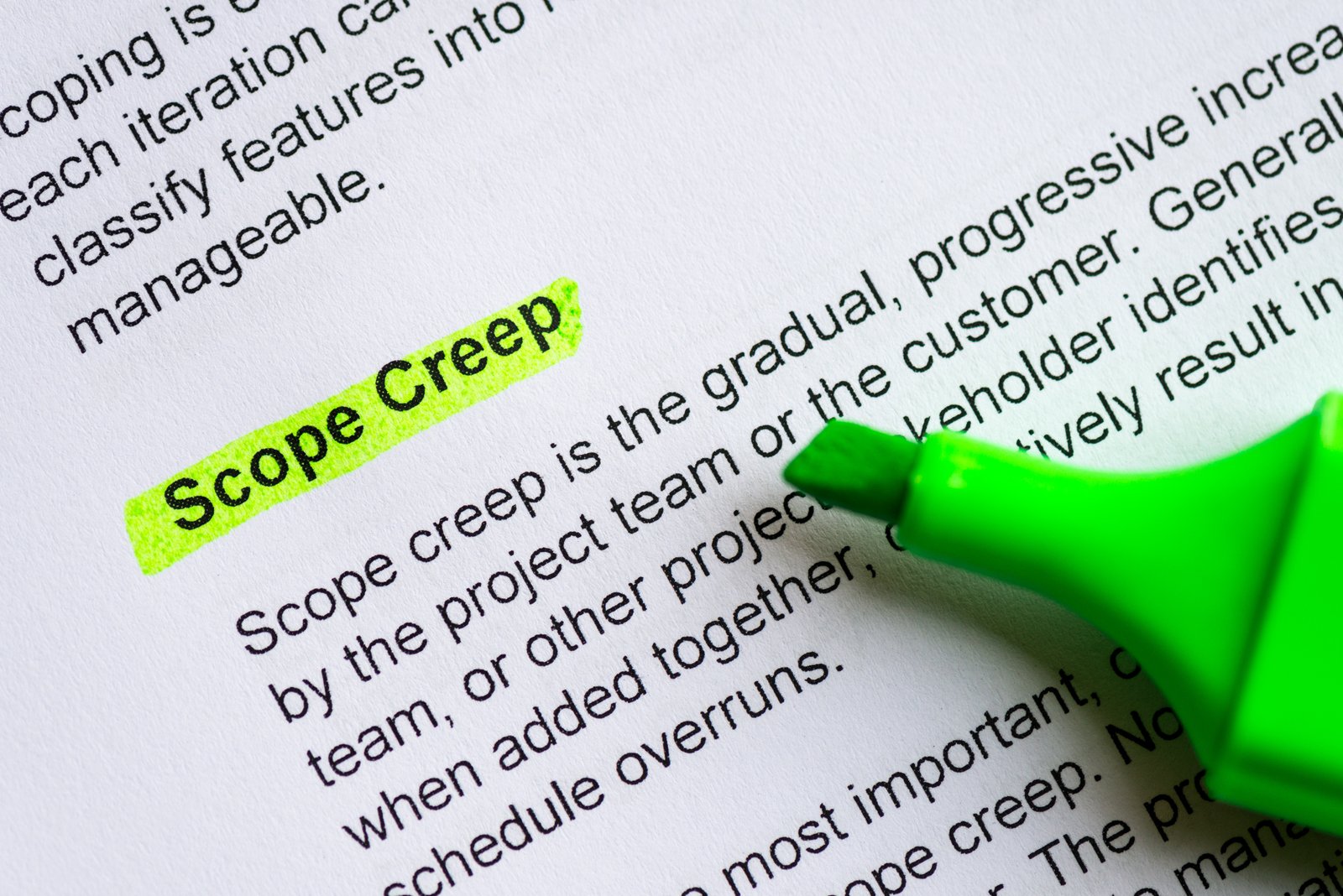
Scope creep is a term that often sends shivers down the spines of project managers, especially in the non-profit sector. It refers to the gradual expansion of a project’s goals and deliverables beyond the original plan, often without corresponding adjustments in resources, timelines, or budgets. In the world of NGOs, where resources are typically limited and the stakes are high, scope creep can lead to chaos.
Imagine a small team working tirelessly on a community health initiative, only to find themselves juggling additional tasks like organizing a fundraising gala or launching a social media campaign—all because someone thought it would be a good idea to “add just one more thing.” The consequences of scope creep can be particularly pronounced in NGO communications. When the messaging becomes muddled or the target audience is unclear, the impact of the organization’s work can diminish. For instance, if an NGO initially set out to raise awareness about clean water access but then expanded its focus to include education and healthcare without a clear strategy, the message can become diluted.
This not only confuses stakeholders but also risks alienating potential supporters who may not know what the organization stands for anymore. Understanding scope creep is crucial for NGOs to maintain clarity and effectiveness in their communications.
Setting Clear Expectations from the Beginning
Setting clear expectations at the outset of any project is akin to laying a solid foundation for a house. Without that sturdy base, everything built on top is at risk of collapsing. For NGOs, this means defining the project’s objectives, deliverables, and timelines right from the start.
It’s essential to involve all stakeholders in this process—team members, partners, and even beneficiaries—so everyone has a shared understanding of what success looks like. This collaborative approach not only fosters buy-in but also helps identify potential pitfalls early on. Moreover, clear expectations should extend beyond mere project goals.
They should encompass communication styles, frequency of updates, and decision-making processes. For example, if an NGO decides that weekly check-ins will be the norm, everyone involved should be on board with that commitment. This clarity helps prevent misunderstandings and sets a tone of accountability.
When everyone knows what is expected of them and what they can expect from others, it becomes much easier to navigate challenges as they arise.
Establishing Communication Protocols

Excellence is also a clear set of guidelines and project goals
Effective communication is the lifeblood of any successful project, especially in the fast-paced world of NGOs. Establishing communication protocols is essential for ensuring that everyone stays informed and aligned throughout the project lifecycle. This might include setting up regular meetings, utilizing project management tools, or creating shared documents where updates can be logged.
The goal is to create an environment where information flows freely and everyone feels empowered to contribute. In addition to regular updates, it’s important to define how decisions will be communicated and who has the authority to make them. For instance, if a significant change needs to be made to the project scope, it should be clear who must be consulted before that decision is finalized.
This not only streamlines the process but also helps prevent scope creep by ensuring that any changes are thoughtfully considered and agreed upon by all relevant parties. By establishing these protocols early on, NGOs can create a culture of transparency and collaboration that ultimately leads to more successful outcomes.
Monitoring and Managing Project Scope
Once a project is underway, monitoring and managing its scope becomes paramount.
This involves regularly reviewing progress against the original objectives and deliverables to ensure that everything remains on track.
For NGOs, this might mean conducting periodic evaluations or check-ins to assess whether the project is still aligned with its initial goals.
If it becomes apparent that new tasks or objectives are creeping in, it’s crucial to address these changes head-on before they spiral out of control. One effective strategy for managing project scope is to implement a change control process. This means that any proposed changes must go through a formal review process before being approved.
By requiring stakeholders to justify why a change is necessary and how it aligns with the overall mission of the NGO, organizations can better assess whether these additions are truly beneficial or simply distractions from the core objectives. This proactive approach not only helps keep projects focused but also reinforces the importance of sticking to the original vision.
Communicating Changes Effectively
When changes do need to be made—whether due to unforeseen circumstances or evolving needs—effective communication is key. It’s essential to convey these changes clearly and promptly to all stakeholders involved.
This means not only explaining what the changes are but also why they are necessary and how they will impact the project moving forward.
Transparency in communication fosters trust and helps mitigate any potential backlash from team members who may feel blindsided by sudden shifts. Additionally, it’s important to provide context around changes. For example, if an NGO decides to pivot its messaging strategy due to new research findings, sharing that research with the team can help everyone understand the rationale behind the decision.
This not only encourages buy-in but also empowers team members to contribute their insights and ideas moving forward. When changes are communicated effectively, it creates an environment where everyone feels valued and engaged in the process.
Documenting Scope Changes
Project management tools are your friends
Documentation may not sound glamorous, but it plays a critical role in managing scope creep effectively. Keeping a detailed record of any changes made throughout the project ensures that there is a clear trail of decisions and rationales for future reference. This documentation can take many forms—meeting notes, email threads, or formal change requests—but whatever format is chosen, it should be easily accessible to all stakeholders.
Project managment tools like Monday.com, free to proven NGOs for 10 seats, mean not only managing work flow: they can be an accurate record of work requests and where things went wrong.
Having a well-documented history of scope changes can also serve as a valuable learning tool for future projects. By reviewing what changes were made, why they were necessary, and how they impacted outcomes, NGOs can gain insights into their own processes and improve their planning for subsequent initiatives. This reflective practice not only enhances organizational learning but also helps build a culture of accountability where team members understand the importance of sticking to agreed-upon plans while remaining flexible enough to adapt when necessary.
Learning from Scope Creep
Every instance of scope creep presents an opportunity for growth and learning. Rather than viewing it solely as a setback, NGOs can analyze what led to the expansion of project goals and how similar situations can be avoided in the future. This might involve conducting post-project evaluations or debriefs where team members can openly discuss what worked well and what didn’t.
By fostering an environment where feedback is encouraged, organizations can identify patterns that contribute to scope creep and develop strategies to mitigate them. For instance, if an NGO finds that scope creep often occurs when new funding opportunities arise mid-project, it may decide to implement stricter guidelines around accepting additional funding or projects during critical phases of existing initiatives. Learning from past experiences not only strengthens future projects but also empowers teams to approach challenges with greater confidence and resilience.
Seeking Feedback and Making Adjustments
Finally, seeking feedback from team members and stakeholders throughout the project lifecycle is essential for maintaining alignment and preventing scope creep. Regular check-ins provide opportunities for individuals to voice concerns or suggest adjustments based on their experiences on the ground. This collaborative approach not only enhances communication but also fosters a sense of ownership among team members.
Moreover, being open to making adjustments based on feedback demonstrates flexibility and responsiveness—qualities that are particularly important in the ever-evolving landscape of NGO work. If team members feel heard and valued, they are more likely to remain engaged and committed to the project’s success. Ultimately, by prioritizing feedback and being willing to adapt as needed, NGOs can navigate challenges more effectively while staying true to their mission.
In conclusion, managing scope creep in NGO communications requires a multifaceted approach that encompasses clear expectations, effective communication protocols, diligent monitoring, thorough documentation, and a commitment to learning from experiences. By implementing these strategies, organizations can maintain focus on their core objectives while remaining agile enough to respond to changing circumstances. In doing so, they not only enhance their own effectiveness but also ensure that their messages resonate powerfully with their audiences—ultimately driving greater impact in their communities.