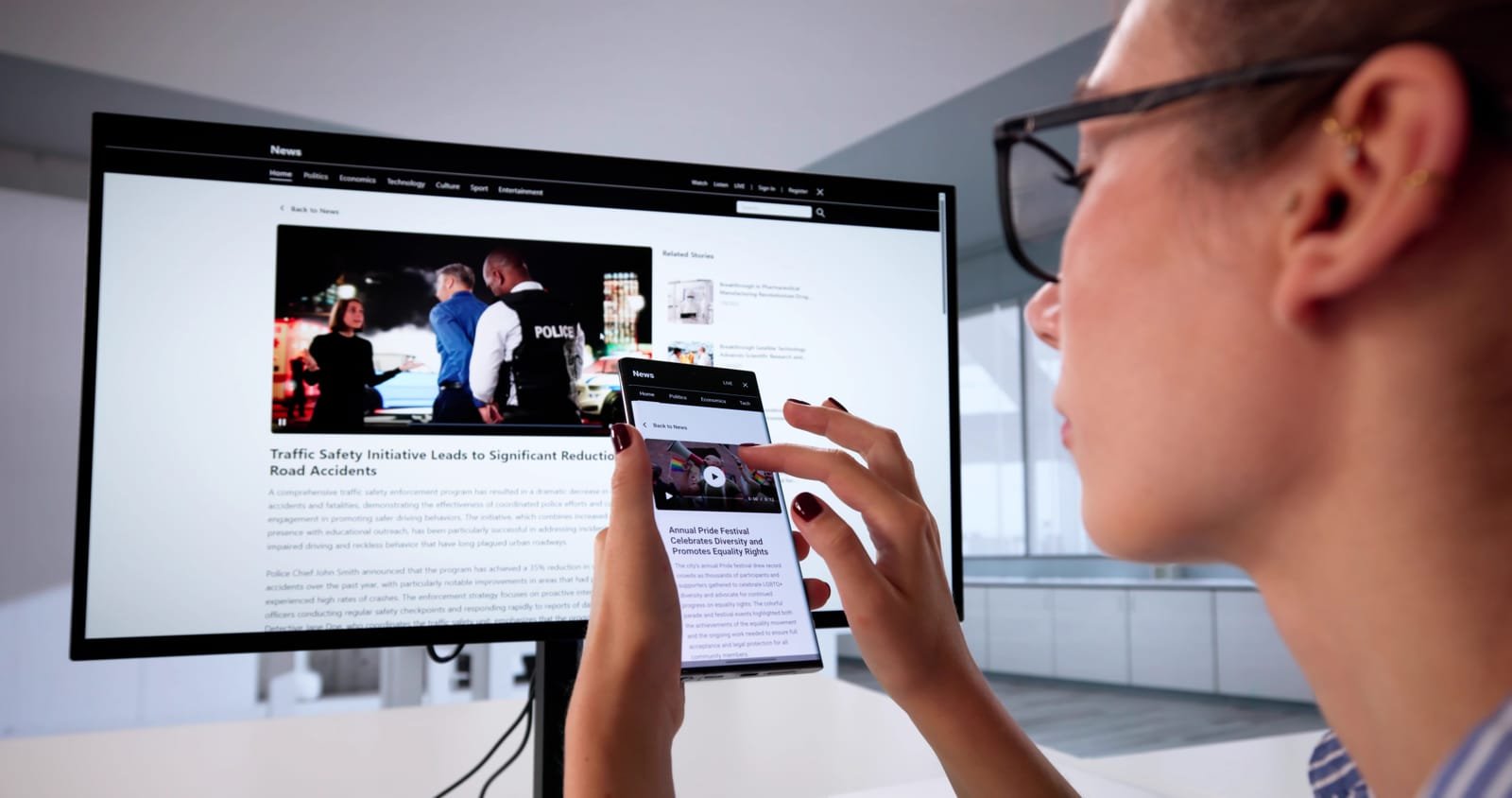

In the world of non-governmental organizations (NGOs), effective communication can be the difference between success and failure. Spokespersons are often the face of their organizations, tasked with conveying critical messages to the public, stakeholders, and potential donors. Media training equips these individuals with the skills necessary to navigate the complex landscape of public relations, ensuring that their messages resonate and inspire action.
Without proper training, even the most passionate advocate can falter under the pressure of a camera or microphone, potentially undermining the very cause they represent. Moreover, media training fosters confidence. When spokespersons understand how to articulate their organization’s mission and values clearly, they can engage with audiences more effectively.
This confidence translates into authenticity, which is crucial in building trust with the public. In an age where misinformation can spread like wildfire, having trained representatives who can communicate accurately and compellingly is essential for NGOs striving to make a positive impact. The stakes are high; a poorly delivered message can lead to misunderstandings or even backlash, while a well-crafted narrative can galvanize support and drive change.
Understanding the Media Landscape and Audience
Navigating the media landscape requires a keen understanding of its various components. From traditional outlets like newspapers and television to digital platforms such as social media and blogs, each medium has its own nuances and audience expectations. For NGO spokespersons, recognizing these differences is vital for tailoring messages that resonate with specific demographics.
For instance, a message aimed at young activists might thrive on platforms like Instagram or TikTok, while a more formal approach may be necessary for traditional news outlets. Audience analysis is equally important. Understanding who you are speaking to can shape not only the content of your message but also its delivery.
Are you addressing seasoned journalists who are well-versed in your field, or are you speaking to a general audience that may not have the same level of familiarity? Crafting messages that consider the audience’s knowledge, interests, and values can significantly enhance engagement. This understanding allows spokespersons to connect on a deeper level, fostering empathy and encouraging dialogue rather than mere dissemination of information.
Developing Effective Messaging and Communication Strategies
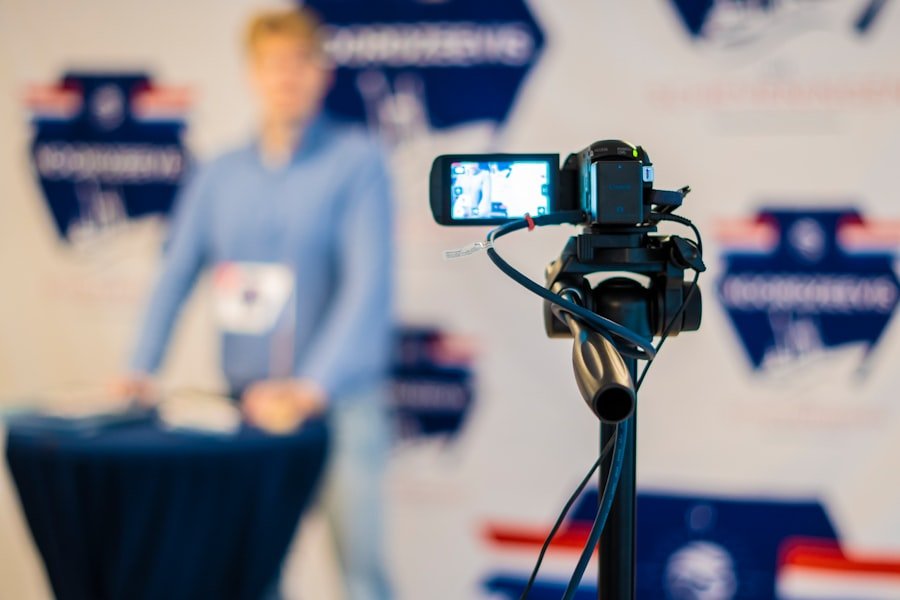
Crafting effective messaging is an art form that requires both creativity and strategic thinking. For NGO spokespersons, the goal is to distill complex issues into clear, compelling narratives that inspire action. This often involves identifying key messages that align with the organization’s mission while also addressing the concerns and interests of the target audience.
A well-defined message should be concise yet powerful, leaving a lasting impression without overwhelming listeners with jargon or excessive detail. Communication strategies should also incorporate storytelling elements. People are naturally drawn to stories; they evoke emotions and create connections.
By weaving personal anecdotes or case studies into their messaging, spokespersons can illustrate the real-world impact of their work. This approach not only humanizes the organization but also makes the issues at hand more relatable. When audiences can see themselves in the narrative, they are more likely to engage and support the cause.
Handling Difficult Questions and Challenging Situations
In the realm of media interactions, difficult questions are inevitable. Whether it’s a probing inquiry about funding sources or a challenging critique of an organization’s approach, how spokespersons handle these situations can significantly influence public perception. Media training prepares individuals to anticipate tough questions and respond with poise and clarity.
This preparation involves not only knowing the facts but also understanding how to pivot conversations back to key messages without appearing evasive. Moreover, maintaining composure during challenging situations is crucial. A calm demeanor can diffuse tension and convey confidence, while flustered responses may raise further doubts about an organization’s credibility.
Practicing responses to potential questions in advance can help spokespersons feel more prepared when faced with unexpected challenges. Additionally, acknowledging concerns while steering the conversation back to positive outcomes demonstrates transparency and reinforces trust with the audience.
Utilizing Different Media Platforms and Formats
In today’s digital age, NGOs have access to a plethora of media platforms, each offering unique opportunities for outreach and engagement. From social media channels like Twitter and Facebook to podcasts and webinars, understanding how to leverage these platforms effectively is essential for maximizing impact. Each format has its own strengths; for instance, visual content tends to perform well on platforms like Instagram, while in-depth discussions may be better suited for podcasts or long-form articles.
Spokespersons should also consider the timing and frequency of their communications across these platforms.
Consistency is key in building an audience; regular updates keep followers engaged and informed about ongoing initiatives. However, it’s equally important to tailor content for each platform.
A tweet may require a snappy headline and a call-to-action, while a blog post allows for more in-depth exploration of topics. By adapting messages to fit various formats, spokespersons can reach diverse audiences effectively.
Enhancing Public Speaking and Presentation Skills

Be the media master, not the puppet
Public speaking is an essential skill for NGO spokespersons, as they often find themselves addressing large audiences or participating in panel discussions. Effective public speaking goes beyond merely delivering information; it involves engaging the audience through body language, vocal variety, and eye contact. Training in these areas can significantly enhance a spokesperson’s ability to connect with listeners and convey passion for their cause.
Additionally, practice makes perfect. Rehearsing speeches or presentations in front of peers or mentors can provide valuable feedback and help identify areas for improvement. Utilizing techniques such as storytelling or incorporating visuals can also elevate presentations from mundane to memorable.
Ultimately, strong public speaking skills empower spokespersons to advocate effectively for their organizations, inspiring others to join their mission.
Building Relationships with Journalists and Media Outlets
Establishing relationships with journalists and media outlets is a cornerstone of effective media strategy for NGOs. A positive rapport can lead to more favorable coverage and increased opportunities for collaboration. Spokespersons should proactively reach out to journalists who cover relevant topics, offering insights or expert commentary on issues related to their organization’s work.
This not only positions them as credible sources but also fosters goodwill within the media community. Networking at industry events or engaging with journalists on social media can further strengthen these relationships. By sharing relevant content or providing timely updates about their organization’s initiatives, spokespersons can keep their work on journalists’ radars.
Building trust takes time; however, when journalists view spokespersons as reliable sources of information, they are more likely to seek them out for future stories.
Evaluating and Improving Media Performance and Impact
Finally, evaluating media performance is crucial for continuous improvement in communication strategies. NGOs should regularly assess how their messages are received by audiences through metrics such as media coverage analysis, social media engagement rates, and audience feedback. Understanding what resonates with audiences allows organizations to refine their messaging and adapt their strategies accordingly.
Moreover, learning from past experiences—both successes and failures—can provide valuable insights for future media interactions. Conducting post-campaign evaluations helps identify what worked well and what could be improved upon next time. By fostering a culture of reflection and adaptability within their organizations, NGOs can enhance their media performance over time, ultimately leading to greater impact in their advocacy efforts.
In conclusion, media training is not merely an optional add-on for NGO spokespersons; it is an essential component of effective communication in today’s fast-paced information landscape. By understanding the media environment, developing strong messaging strategies, honing public speaking skills, building relationships with journalists, and continuously evaluating performance, NGOs can amplify their voices and drive meaningful change in society.