

In a world where attention spans are shorter than a TikTok video, visual content has become the lifeblood of communication. Whether it’s a striking infographic, an eye-catching social media post, or a compelling video, visuals have the power to convey messages faster and more effectively than words alone. Enter artificial intelligence (AI), a game-changer in the realm of visual content creation.
With its ability to analyze data, generate images, and even edit videos, AI is transforming how individuals and organizations approach visual storytelling. For non-designers, the prospect of creating professional-quality visuals can be daunting. Many people feel that they lack the skills or tools necessary to produce eye-catching content.
However, AI is leveling the playing field, making it easier for anyone to create stunning visuals without needing a degree in graphic design. This article will explore the benefits of using AI for visual content creation, highlight some of the best tools available for non-designers, and provide practical tips for harnessing this technology effectively.
Benefits of Using AI for Visual Content Creation
The advantages of incorporating AI into visual content creation are numerous and compelling. First and foremost, AI can significantly reduce the time and effort required to produce high-quality visuals. Traditional design processes often involve multiple revisions and a steep learning curve, but AI tools can streamline these tasks.
For instance, an AI-powered platform can generate multiple design options in seconds, allowing users to choose their favorite without spending hours tinkering with layouts and colors. Moreover, AI can enhance creativity by providing inspiration and suggestions that users might not have considered. Imagine having a brainstorming partner that never runs out of ideas!
AI algorithms can analyze trends, audience preferences, and even successful designs from around the web to suggest unique concepts tailored to your specific needs. This not only saves time but also encourages innovation, enabling non-designers to produce content that resonates with their audience.
Top AI Tools for Non-Designers in NGO and NPO
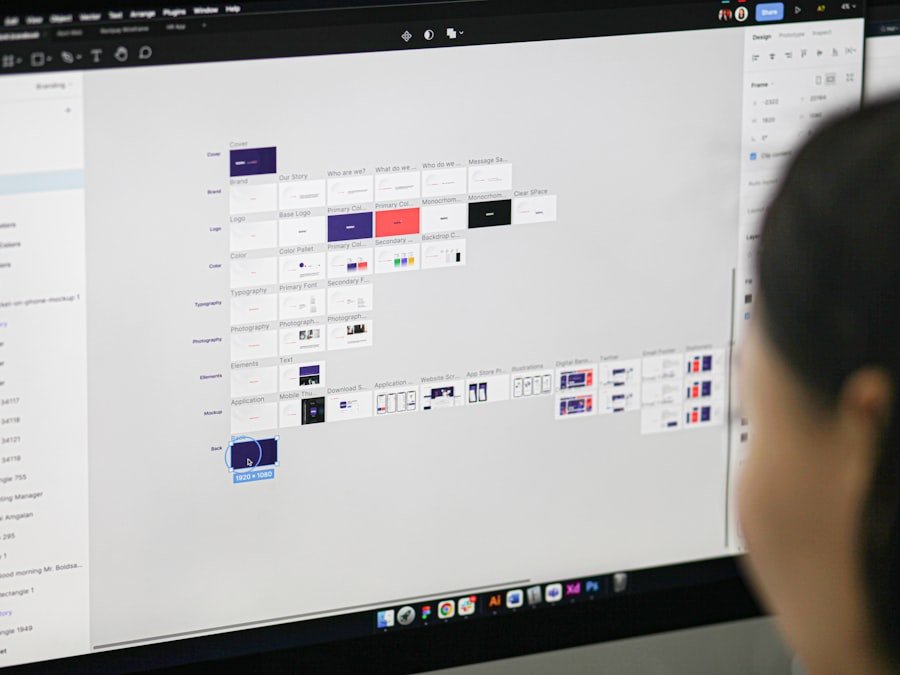
For non-profit organizations (NGOs and NPOs) operating on tight budgets, finding cost-effective tools for visual content creation is crucial. Fortunately, several AI-driven platforms cater specifically to those who may not have extensive design experience. Canva and Piktochart (both relatively easy to learn) are some of the most popular options, offering a user-friendly interface with a wide-range of templates and design elements, including AI.
Their AI features can suggest layouts and color schemes based on your content, making it an excellent choice for creating social media graphics or promotional materials. Another noteworthy tool is Adobe Spark (steeper learning curve), which allows users to create stunning visuals quickly and easily. With its intuitive design capabilities and access to a vast library of stock images, Adobe Spark empowers non-designers to produce professional-looking content without breaking the bank.
Additionally, platforms like Envato leverage AI to transform text into engaging videos, making it easier for NGOs to share their stories through dynamic visual narratives.
How to Use AI Tools for Visual Content Creation
Using AI tools for visual content creation is often as simple as following a few straightforward steps. First, identify the type of content you want to create—be it an infographic, social media post, or video. Once you have a clear vision in mind, select an appropriate AI tool that aligns with your goals.
Most platforms offer templates tailored to various formats, so you can start with a solid foundation. Next, input your content into the chosen tool. This could involve uploading images, entering text, or selecting specific themes.
Many AI tools will analyze your input and provide suggestions for layouts or design elements that complement your message. Don’t hesitate to experiment with different styles; one of the joys of using AI is the ability to quickly iterate on designs without the fear of making irreversible mistakes. Once you’ve created your visual content, take advantage of the editing features available within the tool.
Most platforms allow you to tweak colors, fonts, and images until you achieve the desired look. Finally, export your creation in the appropriate format for your intended use—whether that’s for social media sharing or printing—and watch as your audience engages with your visually appealing content.
Best Practices for Creating Visual Content with AI
While AI tools can simplify the design process, adhering to best practices is essential for maximizing their effectiveness. First and foremost, always keep your target audience in mind. Understanding who you’re creating content for will guide your design choices and ensure that your visuals resonate with viewers.
Consider factors such as age, interests, and cultural background when selecting colors, images, and messaging. Another critical aspect is maintaining brand consistency across all visual content. This means using a cohesive color palette, typography, and imagery that aligns with your organization’s identity.
Many AI tools allow you to save brand assets for easy access during the design process. By ensuring that your visuals reflect your brand’s personality, you’ll foster recognition and trust among your audience. Additionally, don’t overlook the importance of accessibility in your visual content.
Ensure that text is legible against backgrounds and that color choices are inclusive for individuals with color blindness or other visual impairments. Many AI tools offer accessibility features or guidelines to help you create content that is welcoming to all viewers.
Examples of Successful Visual Content Created with AI
The impact of AI on visual content creation is evident in numerous successful campaigns across various sectors. For instance, non-profit organizations have harnessed AI-generated infographics to present complex data in an easily digestible format. One notable example is a campaign focused on climate change awareness that utilized AI tools to create compelling visuals illustrating the effects of global warming on local ecosystems.
The result was a series of eye-catching graphics that not only informed but also inspired action among viewers.
A well-known beverage company used an AI tool to create personalized advertisements featuring user-generated content combined with dynamic graphics.
This approach not only captured attention but also fostered a sense of community among consumers who felt represented in the campaign.
Tips for Non-Designers Using AI for Visual Content Creation
For non-designers venturing into the world of AI-driven visual content creation, a few practical tips can make all the difference. First, take advantage of tutorials and resources offered by the platforms you choose. Many tools provide step-by-step guides or video tutorials that can help you familiarize yourself with their features quickly.
Another valuable tip is to embrace experimentation. Don’t be afraid to try out different styles or layouts; sometimes the most unexpected combinations yield the best results. Remember that design is subjective—what resonates with one person may not appeal to another.
Gathering feedback from colleagues or friends can provide fresh perspectives on your creations. Lastly, stay updated on emerging trends in visual content creation and AI technology. The digital landscape evolves rapidly, and keeping abreast of new tools and techniques will empower you to stay ahead of the curve.
Join online communities or forums where fellow non-designers share their experiences and insights; collaboration can lead to innovative ideas and solutions.
Conclusion and Future Trends in AI for Visual Content Creation
As we look ahead, it’s clear that the integration of AI into visual content creation will continue to evolve and expand.
Imagine an AI that not only generates visuals but also tailors them in real-time based on user interactions—this could revolutionize how organizations engage with their audiences.
Moreover, as ethical considerations surrounding AI become increasingly important, we can expect a greater emphasis on transparency and accountability in visual content creation. Non-profits will need to navigate these challenges while leveraging AI’s capabilities to tell their stories authentically. In conclusion, embracing AI for visual content creation opens up exciting possibilities for non-designers in NGOs and NPOs alike.
By harnessing these tools effectively and adhering to best practices, organizations can create compelling visuals that resonate with their audiences and drive meaningful engagement. The future is bright for those willing to explore this innovative intersection of technology and creativity.