

Chatbots have become a vital tool for non-governmental organizations (NGOs) looking to enhance their online presence. These automated systems can engage visitors, answer questions, and provide information around the clock. For NGOs, which often operate with limited resources, chatbots can serve as a cost-effective solution to improve communication and outreach.
They can handle multiple inquiries simultaneously, ensuring that no potential supporter or volunteer feels ignored. Moreover, chatbots can streamline the user experience on NGO websites. Visitors often seek immediate answers about programs, donation processes, or volunteer opportunities.
A well-designed chatbot can provide instant responses, reducing the need for users to navigate through multiple pages or wait for email replies. This immediacy not only enhances user satisfaction but also encourages deeper engagement with the organization’s mission.
Assessing the Benefits of Implementing Chatbots for NGOs
Implementing chatbots offers several benefits for NGOs. First, they can significantly improve response times. Traditional methods of communication, such as email or phone calls, can lead to delays that frustrate potential supporters.
Chatbots eliminate this issue by providing instant answers to frequently asked questions. This efficiency can lead to higher conversion rates for donations and volunteer sign-ups. Second, chatbots can gather valuable data about user interactions.
By analyzing the types of questions asked and the information sought, NGOs can gain insights into their audience’s interests and concerns. This data can inform future campaigns and help tailor messaging to better resonate with supporters. Additionally, chatbots can operate 24/7, ensuring that your organization is always available to engage with users, regardless of time zones or working hours.
Choosing the Right Chatbot Platform for Your NGO
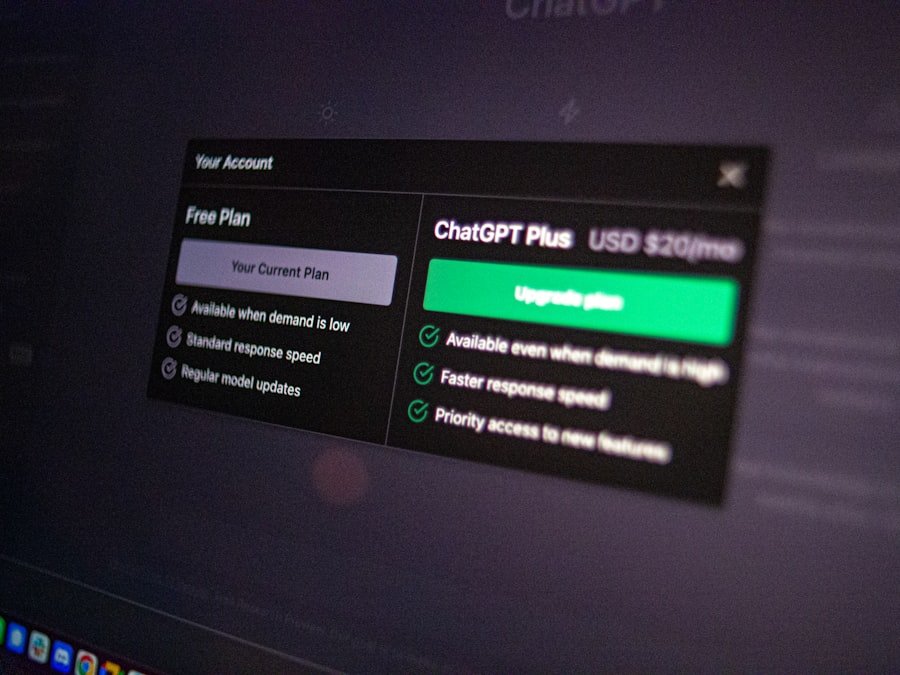
Selecting the right chatbot platform is crucial for maximizing its effectiveness. There is much more out than only ChatGPT.
Do you require a simple FAQ bot, or do you want a more advanced system capable of handling complex queries?
Research various platforms to find one that aligns with your goals and budget. Popular options include Chatfuel, ManyChat, and Tidio, each offering unique features and pricing structures. Consider ease of use as well.
Some platforms require coding knowledge, while others offer user-friendly interfaces that allow you to build and customize your chatbot without technical expertise. Look for platforms that provide robust customer support and resources to help you get started. Finally, ensure that the platform you choose integrates seamlessly with your existing website and communication tools.
Designing and Customizing Chatbots to Fit Your NGO’s Needs
Once you’ve selected a platform, it’s time to design and customize your chatbot. Start by defining its purpose. Will it primarily answer questions about your organization, or will it also facilitate donations and volunteer sign-ups?
Tailor the chatbot’s responses to reflect your NGO’s voice and mission. This consistency helps build trust with users. Next, consider the user experience.
A well-designed chatbot should be intuitive and easy to navigate. Use clear language and avoid jargon that might confuse users. Incorporate buttons and quick replies to streamline interactions.
Additionally, consider adding a human touch by including personalized greetings or follow-up questions based on user responses. This approach can make users feel valued and more likely to engage further with your organization.
Integrating Chatbots with Existing Communication Channels
To maximize the effectiveness of your chatbot, integrate it with your existing communication channels. This includes social media platforms, email newsletters, and your website. For instance, if someone interacts with your chatbot on Facebook Messenger, ensure that their experience is consistent if they later visit your website or receive an email from your organization.
If a user expresses interest in volunteering through the chatbot, ensure that this information is captured in your database for follow-up. This holistic approach not only enhances user experience but also helps maintain continuity in communication efforts across various platforms.
Training and Managing Chatbots for Effective Communication

Training your chatbot is essential for effective communication. Start by inputting common questions and answers based on previous interactions with supporters. Regularly update this information as new inquiries arise or as your organization evolves.
The more data you feed into the system, the better it will perform. Management is equally important. Monitor interactions to identify areas for improvement.
If users frequently ask questions that the chatbot cannot answer, consider updating its knowledge base or providing additional training. Regularly reviewing performance metrics will help you understand how well the chatbot is meeting user needs and where adjustments are necessary.
Measuring the Impact of Chatbots on NGO Websites
To assess the effectiveness of your chatbot, establish key performance indicators (KPIs) that align with your organization’s goals. Common metrics include user engagement rates, response times, and conversion rates for donations or volunteer sign-ups. Analyzing these metrics will provide insights into how well the chatbot is performing.
Consider conducting surveys or gathering feedback from users who interacted with the chatbot. Their insights can help you understand their experience and identify areas for improvement. By regularly measuring impact and making necessary adjustments, you can ensure that your chatbot continues to serve its purpose effectively.
Addressing Ethical and Privacy Considerations in Chatbot Implementation for NGOs
As you implement chatbots, it’s crucial to address ethical and privacy considerations. Users may share personal information during interactions, so ensure that your organization has a clear privacy policy in place. Inform users about how their data will be used and stored, and obtain consent where necessary.
Additionally, be transparent about the limitations of your chatbot. While it can handle many inquiries, there may be instances where human intervention is required. Clearly communicate this to users to manage their expectations effectively.
By prioritizing ethical considerations and user privacy, you can build trust with your audience while leveraging the benefits of chatbot technology for your NGO’s mission.