
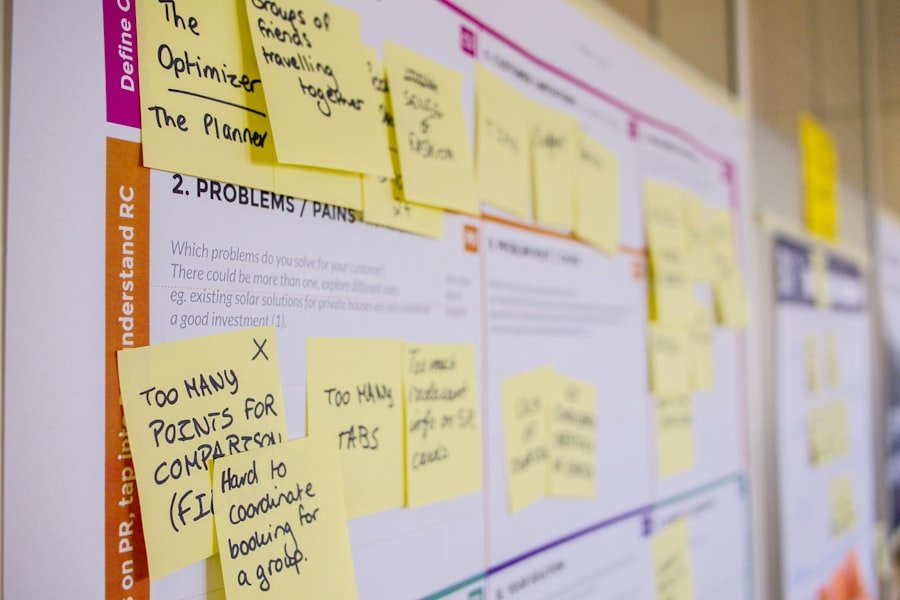
Design thinking has emerged as a transformative approach to problem-solving, transcending traditional boundaries and reshaping how we tackle complex challenges. At its core, design thinking is a human-centered methodology that emphasizes empathy, creativity, and iterative learning. It encourages individuals and organizations to step into the shoes of their users, understand their needs, and develop innovative solutions that resonate on a personal level.
This approach is not confined to the realm of product design; it has found its way into various sectors, including education, healthcare, and social services, making it a versatile tool for change. The beauty of design thinking lies in its ability to foster collaboration and encourage diverse perspectives. By bringing together people from different backgrounds and disciplines, it creates an environment where ideas can flourish.
This collaborative spirit is essential in today’s fast-paced world, where the challenges we face are often multifaceted and require input from various stakeholders. As we explore the intricacies of design thinking, we will uncover how this methodology can be applied effectively in non-profit organizations (NGOs) and educational settings, ultimately leading to more impactful outcomes.
Key Takeaways
- – Design thinking is a human-centered approach to problem-solving that emphasizes empathy, creativity, and experimentation.
- – The design thinking process involves five key stages: empathize, define, ideate, prototype, and test.
- – NGOs and NPOs can apply design thinking to address complex social issues and create innovative solutions for their beneficiaries.
- – Design thinking can be implemented in education to foster creativity, critical thinking, and problem-solving skills in students.
- – The benefits of design thinking for NGOs and NPOs include improved stakeholder engagement, increased innovation, and better outcomes for the communities they serve.
Understanding the Design Thinking Process
The design thinking process typically unfolds in five key stages: empathize, define, ideate, prototype, and test. Each stage plays a crucial role in guiding teams through the journey of understanding a problem and developing viable solutions. The first stage, empathize, involves immersing oneself in the experiences of users to gain insights into their needs and challenges.
This might include conducting interviews, observing behaviors, or engaging in participatory activities that allow for a deeper understanding of the user’s perspective. Once empathy has been established, the next step is to define the problem clearly. This stage is about synthesizing the insights gathered during the empathize phase and articulating a problem statement that captures the essence of what needs to be addressed.
A well-defined problem statement serves as a guiding light for the subsequent stages of ideation and prototyping. With a clear understanding of the problem at hand, teams can brainstorm creative solutions during the ideate phase. This is where divergent thinking comes into play—encouraging wild ideas and fostering an open-minded atmosphere where no suggestion is too outlandish.
The prototyping stage involves creating tangible representations of ideas, allowing teams to visualize concepts and explore their feasibility. Prototypes can take many forms, from simple sketches to more sophisticated models, depending on the complexity of the solution being developed.
Finally, the testing phase provides an opportunity to gather feedback from users and refine the solution based on real-world interactions.
This iterative process ensures that solutions are not only innovative but also practical and user-friendly.
Applying Design Thinking in NGOs and NPOs

The information is out there – collecting it is the challenge
Non-governmental organizations (NGOs) and non-profit organizations (NPOs) often operate in environments characterized by limited resources and complex social issues. Design thinking offers these organizations a framework for addressing challenges creatively while remaining focused on their mission. By applying design thinking principles, NGOs can better understand the needs of their beneficiaries and develop programs that are more effective and impactful.
For instance, an NGO working to improve access to clean water might begin by engaging with communities to understand their specific challenges related to water access. Through interviews and observations, they could uncover insights about local customs, preferences, and barriers that traditional solutions may overlook. Armed with this knowledge, the organization can define a problem statement that reflects the community’s unique context and think of solutions that are culturally appropriate and sustainable.
Moreover, design thinking encourages NGOs to embrace experimentation. In a sector where failure can often feel like a setback, this approach reframes failure as an opportunity for learning. By prototyping different interventions—be it a new water filtration system or an educational campaign—NGOs can test their ideas in real-world settings, gather feedback, and iterate on their solutions until they find what works best for the communities they serve.
Implementing Design Thinking in Education
The education sector stands to benefit immensely from design thinking principles. Schools and educational institutions are increasingly recognizing the need to prepare students for a rapidly changing world—one that demands creativity, critical thinking, and collaboration. By integrating design thinking into curricula, educators can foster an environment where students are encouraged to explore problems deeply and develop innovative solutions.
Implementing design thinking in education begins with creating a culture that values curiosity and experimentation. Teachers can introduce design challenges that prompt students to identify real-world problems within their communities or school environments. For example, students might be tasked with redesigning a school space to better accommodate collaborative learning or developing a campaign to promote sustainability on campus.
These projects not only engage students but also empower them to take ownership of their learning experiences. Furthermore, design thinking promotes interdisciplinary learning by encouraging collaboration among students from different subjects. A project that combines science, art, and social studies can lead to richer discussions and more comprehensive solutions.
As students work together through the stages of empathy, ideation, prototyping, and testing, they develop essential skills such as teamwork, communication, and resilience—qualities that will serve them well beyond the classroom.
Benefits of Design Thinking for NGOs and NPOs
The benefits of adopting design thinking within NGOs and NPOs are manifold. First and foremost, this approach enhances the organization’s ability to create solutions that are genuinely responsive to the needs of their target populations. By prioritizing empathy and user engagement throughout the process, NGOs can ensure that their programs are not only relevant but also effective in addressing the root causes of social issues.
Additionally, design thinking fosters a culture of innovation within organizations. In an era where traditional methods may fall short in solving complex problems, embracing creativity can lead to breakthrough ideas that drive meaningful change. Organizations that adopt this mindset are more likely to attract diverse talent who are eager to contribute their unique perspectives and skills.
Moreover, design thinking encourages collaboration among stakeholders—whether they are staff members, beneficiaries, or community partners. This collaborative approach not only strengthens relationships but also builds trust within communities. When people feel heard and valued in the decision-making process, they are more likely to engage with initiatives and support their implementation.
Case Studies of Design Thinking in Education
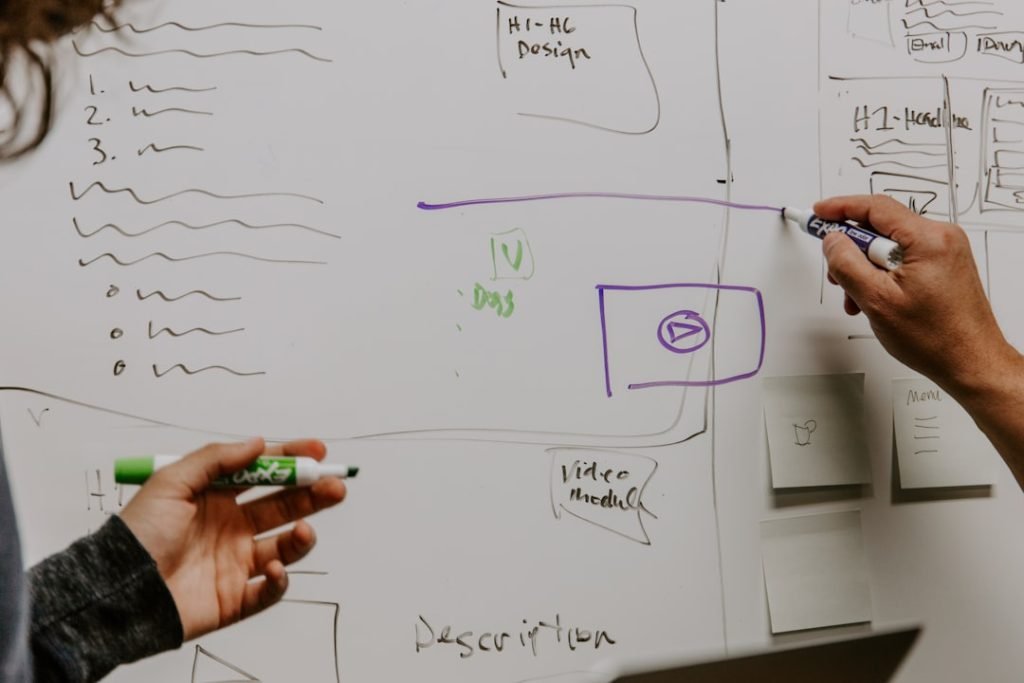
You’ve got the Post-its – you can design a solution
Several educational institutions have successfully implemented design thinking principles to enhance learning outcomes and foster innovation among students. One notable example is Stanford University’s d.school (Hasso Plattner Institute of Design), which has become a global leader in promoting design thinking education. The d.school offers courses that challenge students from various disciplines to tackle real-world problems using design thinking methodologies.
Through hands-on projects and collaborative workshops, students learn how to empathize with users, prototype solutions, and iterate based on feedback. Another inspiring case is the New York City Department of Education’s initiative to integrate design thinking into public schools. By training teachers in design thinking methodologies, the department has empowered educators to create engaging learning experiences that resonate with students’ interests and needs.
One project involved students redesigning their school’s lunch menu based on feedback from peers about healthy options they would actually eat. This not only improved student satisfaction but also encouraged healthier eating habits among the student body. These case studies illustrate how design thinking can transform educational environments by fostering creativity, collaboration, and critical thinking skills among students.
As more schools embrace this approach, we can expect to see a generation of learners who are better equipped to navigate complex challenges in their future careers.
Overcoming Challenges in Implementing Design Thinking
While the benefits of design thinking are clear, implementing this approach is not without its challenges. One common hurdle is resistance to change within organizations or educational institutions. Many individuals may be accustomed to traditional methods of problem-solving that prioritize efficiency over creativity.
Overcoming this resistance requires strong leadership that champions design thinking as a valuable tool for innovation. Another challenge lies in ensuring that all stakeholders are engaged throughout the process. In NGOs and NPOs, it’s essential to involve beneficiaries in every stage—from empathizing with their needs to testing solutions.
However, logistical constraints or power dynamics can sometimes hinder meaningful participation.
Organizations must actively seek ways to create inclusive environments where all voices are heard and valued. Additionally, time constraints can pose a significant barrier to fully embracing design thinking methodologies.
The iterative nature of this process requires time for exploration and experimentation—luxuries that many organizations may feel they cannot afford. To address this challenge, organizations can start small by integrating design thinking principles into existing projects or initiatives rather than attempting a complete overhaul all at once.
Conclusion and Next Steps in Design Thinking
As we reflect on the transformative potential of design thinking across various sectors—particularly within NGOs and education—it becomes evident that this approach is more than just a methodology; it’s a mindset shift towards empathy-driven innovation. By prioritizing user needs and fostering collaboration among diverse stakeholders, organizations can create solutions that resonate deeply with those they serve. Moving forward, it’s crucial for NGOs and educational institutions to continue exploring how design thinking can be integrated into their practices.
This might involve investing in training for staff members or creating dedicated spaces for collaboration and experimentation. Additionally, sharing success stories and lessons learned from implementing design thinking can inspire others within the sector to embrace this approach. Ultimately, design thinking offers a pathway toward more effective problem-solving in an increasingly complex world.