
Every nonprofit organization (NPO) is built on a foundation of purpose, and that purpose is encapsulated in its mission and vision statements. The mission defines the organization’s core objectives, outlining what it aims to achieve in the community or sector it serves. Meanwhile, the vision paints a picture of the future the NPO aspires to create.
It’s like the North Star guiding every decision, action, and strategy. Without a clear understanding of these elements, an NPO risks losing its way, much like a ship adrift at sea without a compass. To truly grasp the mission and vision, stakeholders must engage in meaningful discussions that reflect the values and aspirations of the organization.
This involves not only the leadership but also staff, volunteers, and even beneficiaries. When everyone is on the same page, it fosters a sense of unity and purpose. For instance, during my time volunteering with a local environmental NPO, we held workshops where everyone could voice their thoughts on our mission.
This collaborative approach not only refined our mission statement but also ignited a passion among team members, making them feel more invested in our goals.
Creating a Communication Strategy Aligned with Your NPO’s Mission and Vision
Once the mission and vision are crystal clear, the next step is to craft a communication strategy that reflects these guiding principles. A well-thought-out communication strategy serves as a roadmap for how the organization conveys its message to various audiences. It should outline key messages, target audiences, and the channels through which these messages will be delivered.
Think of it as creating a recipe: you need the right ingredients (messages) in the right proportions (strategies) to whip up something delicious (effective communication).
In my experience, one of the most effective ways to develop this strategy is through brainstorming sessions that include diverse voices from within the organization.
This not only ensures that multiple perspectives are considered but also helps in identifying potential gaps in communication.
For example, while working with a health-focused NGO, we discovered that our messaging was heavily skewed towards older adults, neglecting younger demographics who could also benefit from our services. By adjusting our communication strategy to include targeted outreach to schools and universities, we were able to broaden our impact significantly.
Engaging Stakeholders in Your NPO’s Mission and Vision through Communication
It can’t hurt to repeat them often
Engagement is at the heart of any successful NPO. It’s not enough to simply inform stakeholders about your mission and vision; you need to actively involve them in the journey. This can be achieved through various means such as newsletters, community events, or interactive social media campaigns.
The goal is to create a two-way dialogue where stakeholders feel heard and valued. When people see their input reflected in your initiatives, they are more likely to become advocates for your cause. During my time with a youth mentorship program, we implemented regular feedback sessions with both mentors and mentees.
These sessions allowed us to gauge how well our mission resonated with participants and provided insights into areas for improvement. By fostering an environment where stakeholders felt comfortable sharing their thoughts, we not only strengthened our community but also enhanced our programs to better align with our mission of empowering young people.
Utilizing Social Media and Digital Platforms to Support Your NPO’s Mission and Vision
In today’s digital age, social media and online platforms are indispensable tools for NPOs looking to amplify their message. These platforms offer an unprecedented opportunity to reach a wider audience while also engaging with them in real-time. Whether it’s through Facebook posts, Instagram stories, or Bluesky threads, social media allows organizations to showcase their mission and vision in creative ways that resonate with diverse audiences.
This kind of organic reach is invaluable for NPOs striving to make an impact while staying true to their mission.
Communicating Impact: Sharing Success Stories that Align with Your NPO’s Mission and Vision
One of the most powerful ways to communicate your NPO’s mission and vision is through storytelling. Success stories serve as tangible proof of your organization’s impact and can inspire others to get involved. These narratives should highlight not only the challenges faced but also the triumphs achieved through collective effort.
When stakeholders see real-life examples of how their contributions make a difference, it reinforces their commitment to your cause.
Share journeiwa through newsletters, social media posts, and even local news outlets. The response was overwhelming; donations increased, volunteers stepped forward, and community members rallied around our mission with renewed vigor.
Training Staff and Volunteers to Communicate in Line with Your NPO’s Mission and Vision
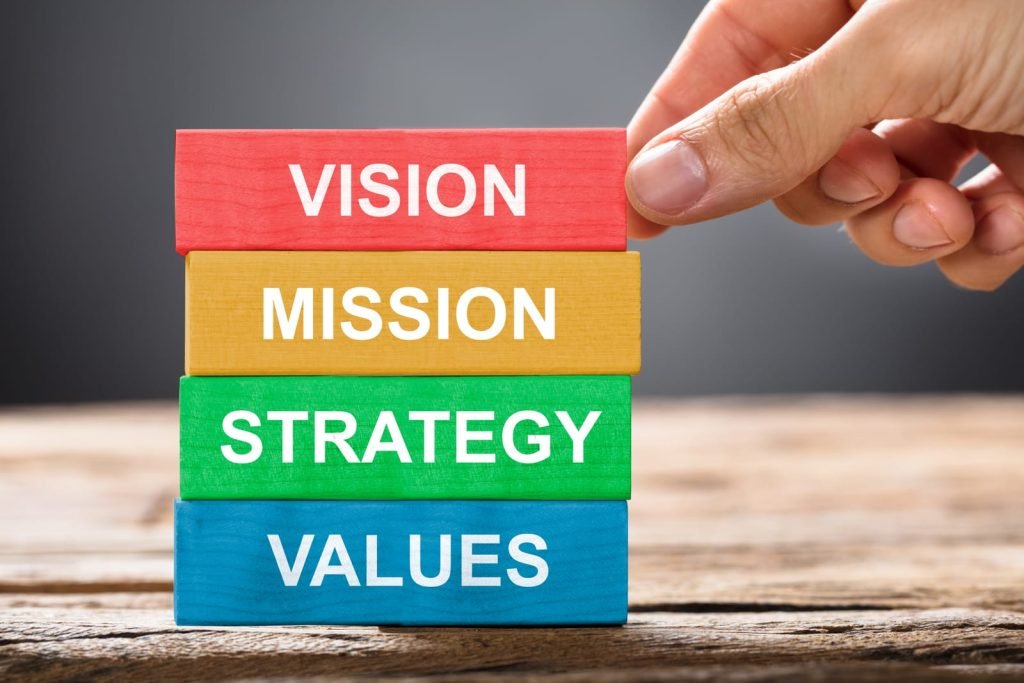
Getting everyone onboard not only helps communication but increases your value
Effective communication doesn’t happen by accident; it requires training and ongoing support for staff and volunteers alike. Everyone involved in your NPO should be equipped with the tools they need to articulate your mission and vision clearly and confidently. This can include workshops on public speaking, writing skills for grant proposals, or even social media training tailored to your organization’s voice.
I recall a workshop I attended focused on storytelling techniques for nonprofit professionals. The facilitator emphasized the importance of authenticity when sharing your organization’s narrative. After implementing some of these techniques within my own NGO,I noticed a marked improvement in how staff communicated our mission during community events.
They became more engaging storytellers rather than mere presenters, which ultimately helped us connect more deeply with our audience.
Evaluating the Effectiveness of Communication in Supporting Your NPO’s Mission and Vision
To ensure that your communication strategies are effective, regular evaluation is essential. This involves assessing whether your messaging resonates with your target audience and aligns with your mission and vision. Surveys, focus groups, or even social media analytics can provide valuable insights into what’s working and what needs adjustment.
In one instance, I was part of an evaluation team for an health advocacy group that had launched a new campaign for uptake by patients. We gathered feedback from community members through surveys and found that while our messaging was clear, many felt overwhelmed by the statistics we presented. Armed with this information, we pivoted our approach to focus more on actionable steps individuals could take rather than inundating them with data.
The result? Increased engagement and participation in our initiatives.
Adapting and Evolving: Adjusting Communication Strategies to Stay Aligned with Your NPO’s Mission and Vision
The landscape in which NPOs operate is constantly changing; therefore, adaptability is crucial for long-term success. As societal needs evolve or new challenges arise, your communication strategies should reflect these shifts while remaining aligned with your mission and vision. This might mean revisiting your messaging or exploring new platforms to reach different demographics.
For example, during my time with a health organization, we noticed a significant uptick in conversations around health on TikTok among younger audiences. Recognizing this trend, we decided to create short videos that addressed common misconceptions about skin health while promoting our services. This pivot not only broadened our reach but also allowed us to engage with a demographic that had previously been overlooked.
In conclusion, understanding your NPO’s mission and vision is just the beginning; effective communication is what brings those ideals to life. By creating strategies that engage stakeholders, utilizing digital platforms wisely, sharing impactful stories, training your team effectively, evaluating your efforts regularly, and remaining adaptable in an ever-changing environment, you can ensure that your organization not only survives but thrives in its quest to make a difference.