Spam filters are the gatekeepers of your inbox. They analyze incoming emails to determine whether they are legitimate or unwanted. These filters use a combination of algorithms, user feedback, and blacklists to assess the content, sender reputation, and engagement metrics of each email.
If an email raises red flags, it gets sent straight to the spam folder, where it may never be seen again. Understanding how these filters operate is crucial for anyone looking to run successful email marketing campaigns. The first line of defense for spam filters is the sender’s reputation.
If your domain has a history of sending spammy content or if users frequently mark your emails as spam, your reputation will suffer. This can lead to your emails being filtered out before they even reach the recipient’s inbox. Additionally, spam filters analyze the content of your emails.
They look for certain keywords, phrases, and formatting that are commonly associated with spam. Knowing what these triggers are can help you craft emails that avoid the spam folder.
Crafting Engaging and Relevant Content for Your Audience
Creating engaging content is essential for capturing your audience’s attention. Start by understanding who your audience is and what they care about. Conduct surveys or analyze past engagement metrics to identify their interests.
Once you have this information, tailor your content to meet their needs. Use clear language and focus on providing value. Whether it’s informative articles, special offers, or updates about your business, make sure your content resonates with your readers.
Relevance is key in email marketing. If your audience finds your content valuable, they are more likely to engage with it. Use segmentation to send targeted messages based on user behavior or preferences.
For example, if you run an online store, send product recommendations based on previous purchases. This not only increases engagement but also builds trust with your audience. When people feel that you understand their needs, they are more likely to open your emails and take action.
Using Proper Email Marketing Tools and Platforms
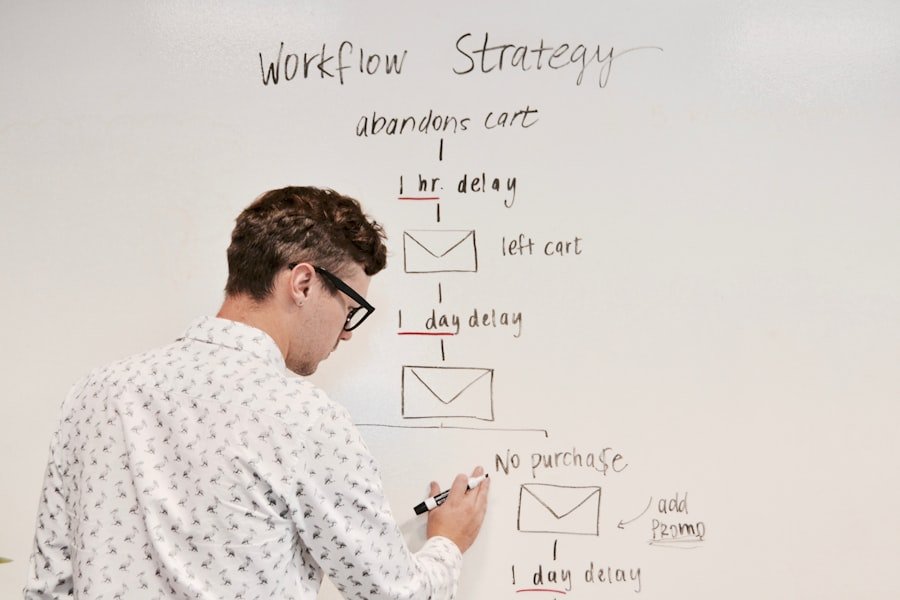
Choosing the right email marketing tools can make a significant difference in your campaign’s success. Look for platforms that offer features like automation, analytics, and A/B testing. Automation allows you to send timely messages based on user actions, while analytics help you track open rates, click-through rates, and conversions.
A/B testing enables you to experiment with different subject lines or content formats to see what resonates best with your audience. Popular email marketing platforms like Mailchimp, Constant Contact, and Sendinblue provide user-friendly interfaces and robust features. They also offer templates that can save you time when designing your emails.
Make sure to choose a platform that fits your budget and meets your specific needs. Investing in the right tools can streamline your email marketing efforts and improve overall effectiveness.
Building and Maintaining a Clean and Opt-In Email List
A clean email list is the backbone of any successful email marketing campaign. Start by ensuring that all subscribers have opted in to receive your emails. This not only complies with regulations like GDPR but also improves engagement rates.
Use sign-up forms on your website or social media channels to encourage users to join your list. Offer incentives such as discounts or exclusive content to entice them further. Regularly clean your email list by removing inactive subscribers.
If someone hasn’t engaged with your emails in six months or more, consider sending a re-engagement campaign before removing them entirely. This helps maintain a healthy list and improves your sender reputation. A smaller, engaged list is often more valuable than a large one filled with unresponsive contacts.
Personalizing Your Email Campaigns for Better Engagement
Personalization goes beyond simply addressing recipients by their first name. It involves tailoring content based on user behavior, preferences, and demographics. Use data from past interactions to create targeted campaigns that speak directly to individual subscribers.
For instance, if a user frequently clicks on articles about travel tips, send them related content or offers for travel gear. Dynamic content is another effective way to personalize emails. This allows you to change sections of an email based on the recipient’s profile or behavior.
Personalization not only increases engagement but also fosters a sense of connection between you and your audience.
Avoiding Common Mistakes that Trigger Spam Filters
Certain practices can easily land your emails in the spam folder. Avoid using excessive capitalization or exclamation points in your subject lines; these are classic spam indicators. Additionally, steer clear of spammy phrases like “free,” “guaranteed,” or “act now.” Instead, focus on crafting compelling subject lines that accurately reflect the content of your email.
Another common mistake is neglecting to include a clear unsubscribe option in every email. Not only is this a legal requirement in many jurisdictions, but it also helps maintain a positive relationship with your audience. If someone wants to opt out, make it easy for them to do so rather than forcing them to mark you as spam.
Testing and Monitoring Your Email Campaigns for Effectiveness
Testing is crucial for optimizing your email campaigns. Use A/B testing to compare different elements of your emails, such as subject lines, images, or call-to-action buttons. This allows you to identify what works best for your audience and refine your approach accordingly.
Monitor key metrics like open rates, click-through rates, and conversion rates to gauge the effectiveness of each campaign. Regularly review your analytics to identify trends over time.
Are there specific times when engagement peaks? Use this data to inform future campaigns and make adjustments as needed. Continuous monitoring ensures that you stay responsive to your audience’s preferences and can adapt quickly.
Staying Informed and Adapting to Changing Email Marketing Trends
Email marketing is an ever-evolving field, and staying informed about the latest trends is essential for success. Subscribe to industry newsletters, attend webinars, or join online communities focused on email marketing. This will help you stay updated on best practices and emerging technologies that can enhance your campaigns.
Be prepared to adapt your strategies as new trends emerge. For example, mobile optimization has become increasingly important as more people check their emails on smartphones. Ensure that your emails are mobile-friendly by using responsive design techniques and testing how they appear on various devices.
By staying informed and flexible, you can keep your email marketing efforts relevant and effective in a rapidly changing landscape. In conclusion, mastering email marketing requires a combination of understanding spam filters, crafting engaging content, using the right tools, maintaining a clean list, personalizing campaigns, avoiding common pitfalls, testing effectiveness, and staying informed about trends. By focusing on these key areas, you can improve your email marketing strategy and achieve better results for your business or organization.