In the fast-paced world of non-governmental organizations (NGOs), a well-crafted media kit can be a game-changer.
Think of it as your organization’s calling card, a concise yet powerful tool that encapsulates your mission, achievements, and the impact you’re making in the community.
A media kit serves as a bridge between your NGO and the media, potential donors, and partners.
It’s not just a collection of documents; it’s a narrative that tells the story of your organization in a way that resonates with your audience. Creating an effective media kit requires careful thought and planning. It’s about more than just slapping together some facts and figures; it’s about presenting your NGO in a way that captures attention and inspires action.
Whether you’re looking to attract media coverage, secure funding, or engage volunteers, a well-structured media kit can help you achieve those goals. In this article, we’ll explore the essential components of a media kit and how to create one that truly reflects the heart and soul of your organization.
Identifying Your NGO’s Key Messages and Goals
Before you can create a compelling media kit, you need to pinpoint the key messages that define your NGO.
What are the core values that drive your organization?
What specific goals are you striving to achieve?
These messages should be clear, concise, and aligned with your overall mission. For instance, if your NGO focuses on environmental conservation, your key messages might revolve around sustainability, community engagement, and the importance of biodiversity. Once you’ve identified these messages, it’s crucial to articulate them in a way that resonates with your target audience.
This means understanding who you’re speaking to—whether they are potential donors, volunteers, or members of the media—and tailoring your language accordingly. A passionate plea for support might work well for a fundraising campaign, while a more factual approach may be necessary for media outreach. By honing in on your key messages and goals, you set the stage for a media kit that not only informs but also inspires.
Gathering Important Information and Statistics
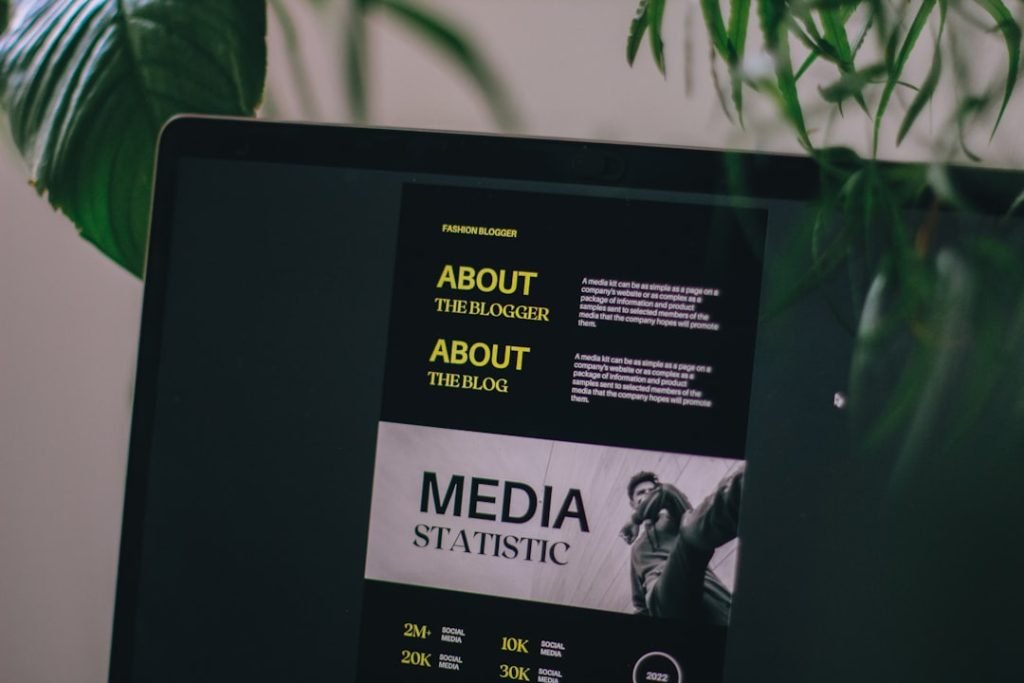
Stats can be used to prove or disprove anything – make sure yours are verifiable
A media kit is only as strong as the information it contains. This is where gathering relevant data becomes essential. Start by compiling statistics that highlight the impact of your NGO’s work.
For example, if you run a program that provides clean drinking water to underserved communities, include figures on how many people have benefited from this initiative or how many wells have been dug. Numbers can be incredibly persuasive; they provide tangible evidence of your organization’s effectiveness and can help sway potential supporters. In addition to statistics, consider including background information about your NGO’s history, mission statement, and any notable achievements.
This context not only enriches your narrative but also helps establish credibility. If your organization has received awards or recognition from reputable sources, don’t hesitate to showcase these accolades. They serve as social proof that your work is valued and respected within the community.
By presenting a well-rounded picture of your NGO through data and context, you create a compelling case for why people should care about your cause.
Creating Compelling Visuals and Graphics
In an age where attention spans are shorter than ever, visuals play a crucial role in capturing interest. A media kit filled with text can easily become overwhelming; however, incorporating compelling visuals can break up the monotony and make your information more digestible. High-quality images that showcase your work—whether they’re photos of community events, beneficiaries, or volunteers in action—can evoke emotions and create a connection with your audience.
Infographics are another powerful tool for conveying complex information in an easily understandable format. They can illustrate statistics or processes in a visually appealing way that draws the eye and keeps readers engaged. When designing visuals for your media kit, ensure they align with your brand’s identity—colors, fonts, and styles should be consistent with your overall messaging.
Remember, the goal is to create a cohesive package that not only informs but also captivates.
Crafting a Strong Boilerplate
A boilerplate is essentially a brief summary of your NGO that appears at the end of press releases or media kits. It’s an opportunity to encapsulate who you are in just a few sentences. Think of it as an elevator pitch; it should convey your mission, vision, and what sets you apart from other organizations in your field.
A well-crafted boilerplate can leave a lasting impression on journalists and potential partners who may not be familiar with your work. When writing your boilerplate, aim for clarity and conciseness. Avoid jargon or overly technical language; instead, focus on what makes your NGO unique and why it matters.
You might want to include information about your founding story or highlight specific programs that have made a significant impact. This is also an excellent place to mention any partnerships or collaborations that enhance your credibility. A strong boilerplate not only informs but also invites further exploration into what you do.
Including Testimonials and Success Stories

Always get permission – release forms are for everyone
Nothing speaks louder than the voices of those who have been directly impacted by your NGO’s work. Including testimonials from beneficiaries or partners can add a personal touch to your media kit and humanize the statistics you present. These stories can illustrate the real-world effects of your programs and help potential supporters visualize the difference their contributions could make.
When selecting testimonials, look for diverse perspectives that reflect various aspects of your work. A quote from a beneficiary who received aid during a crisis can be powerful alongside feedback from a volunteer who has witnessed the transformation firsthand. Additionally, consider including case studies that detail specific success stories—these narratives can provide deeper insights into how your organization operates and the challenges it addresses.
By weaving these personal accounts into your media kit, you create an emotional connection that can motivate action.
Providing Contact Information and Resources
A well-organized media kit should always include clear contact information for key personnel within your NGO. This ensures that journalists or potential partners know exactly who to reach out to for further inquiries or collaboration opportunities. Include names, titles, email addresses, and phone numbers so that interested parties can easily connect with someone who can provide additional information or answer questions.
In addition to contact details, consider providing links to online resources such as your website, social media profiles, or recent press releases. This allows readers to explore more about your organization at their own pace and encourages them to engage further with your content. Providing these resources not only enhances transparency but also positions your NGO as approachable and open to dialogue.
Distributing Your Media Kit to Relevant Contacts
Once you’ve crafted an engaging media kit, it’s time to share it with the world—or at least with those who matter most to your organization’s success. Start by identifying relevant contacts within the media landscape—journalists who cover topics related to your mission, bloggers who focus on social issues, or influencers who align with your values. Get it online where it can be freely downlodaed. Tailor your outreach approach based on their interests; a personalized email explaining why they might find value in your media kit can go a long way.
Consider using online platforms to distribute your media kit as well. Uploading it to your website makes it easily accessible for anyone interested in learning more about your organization. Additionally, sharing it on social media can help amplify its reach; encourage followers to share it within their networks as well.
The more people who see your media kit, the greater the chances of attracting support for your cause. In conclusion, creating an effective media kit is an essential step for any NGO looking to enhance its visibility and impact. By identifying key messages, gathering important information, crafting compelling visuals, and including testimonials, you can create a powerful narrative that resonates with various audiences.
With clear contact information and strategic distribution methods in place, you’ll be well on your way to elevating your organization’s profile and fostering meaningful connections within the community.