Before you can effectively engage with your audience on social media, it’s crucial to have a clear understanding of your NGO or NPO’s goals and objectives. These goals serve as the foundation for all your outreach efforts, guiding your messaging and determining the type of content you’ll share. Are you aiming to raise awareness about a specific issue, mobilize volunteers, or fundraise for a particular project?
Each of these objectives requires a different approach and strategy.
For instance, if your primary goal is to raise awareness, your content might focus on storytelling and sharing impactful statistics that highlight the urgency of your cause.
Moreover, it’s essential to ensure that your goals are not only clear but also measurable.
This means setting specific targets that you can track over time. For example, if you aim to increase your follower count by 20% in six months, you’ll need to develop a plan that includes regular content updates, engagement strategies, and possibly even paid promotions. By establishing these benchmarks, you can assess the effectiveness of your social media efforts and make necessary adjustments along the way.
Remember, clarity in your objectives will not only guide your strategy but also inspire your team and supporters to rally behind your mission.
Key Takeaways
- – Clearly define your NGO/NPO’s goals and objectives to guide your social media strategy
- – Research and understand the social media habits of your target audience to effectively reach and engage with them
- – Evaluate the strengths and limitations of different social media platforms to determine which ones align best with your organization’s goals
- – Tailor your NGO/NPO’s message to fit the specific features and audience of each social media platform
- – Utilize visual content to enhance engagement and convey your organization’s message effectively on social media
Identifying Your Target Audience and Their Social Media Habits
Understanding Demographics and Interests
For instance, if your NGO focuses on environmental conservation, your target audience might include young adults who are passionate about sustainability and climate change. Knowing this allows you to tailor your content to their preferences and values.
Understanding Social Media Habits
It’s equally important to understand the social media habits of your target audience. Different age groups and demographics tend to gravitate toward specific platforms. For example, younger audiences may prefer Instagram and TikTok for their visual content, while older generations might be more active on Facebook.
Allocating Resources Effectively
Conducting surveys or analyzing existing data can provide insights into where your audience spends their time online. This knowledge will help you allocate resources effectively and ensure that your message reaches the right people in the right places.
Assessing the Strengths and Limitations of Different Social Media Platforms

It’s out there, but which platform to use?
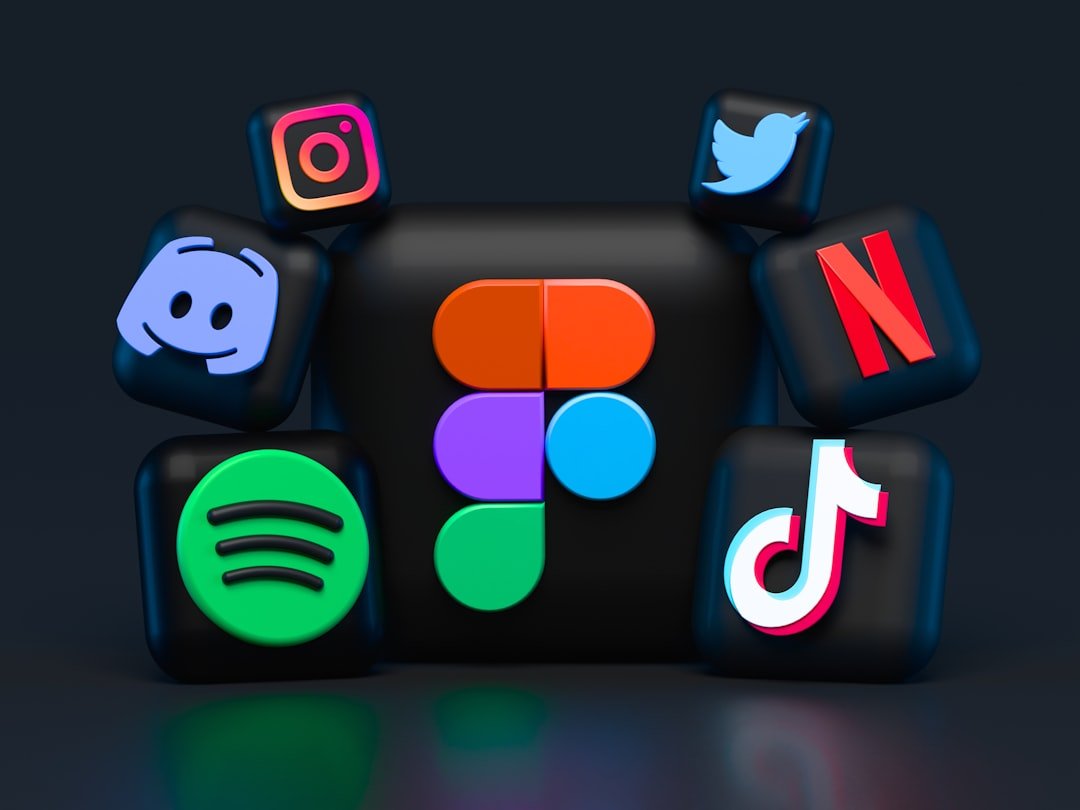
With a clear understanding of your audience in mind, it’s time to assess the strengths and limitations of various social media platforms. Each platform has its unique features that can either enhance or hinder your outreach efforts. For instance, Facebook is excellent for building communities and sharing longer-form content, making it ideal for storytelling and engaging discussions.
On the other hand, Twitter’s character limit encourages concise messaging and real-time updates, which can be beneficial for urgent calls to action or news sharing. However, it’s not just about the strengths; recognizing the limitations of each platform is equally important. For example, while Instagram is visually driven and great for showcasing impactful images, it may not be the best platform for detailed information or lengthy narratives.
Additionally, algorithms on platforms like Facebook can limit organic reach, meaning that even if you post compelling content, it might not be seen by all of your followers. By understanding both the strengths and limitations of each platform, you can make informed decisions about where to focus your efforts.
Matching Your NGO/NPO’s Message with the Right Social Media Platform
Now that you’ve assessed the various platforms available, it’s time to match your NGO or NPO’s message with the right social media channels. This alignment is crucial for maximizing engagement and ensuring that your content resonates with your audience. For example, if your organization is focused on animal welfare, platforms like Instagram or TikTok could be ideal for sharing heartwarming stories and adorable animal photos that tug at the heartstrings of potential supporters.
Conversely, if your message revolves around policy advocacy or complex social issues, LinkedIn might be a more suitable platform. This professional network allows for in-depth discussions and connections with stakeholders who can influence change. Tailoring your message to fit the nuances of each platform will not only enhance engagement but also help establish your organization as a credible voice in your field.
Leveraging the Power of Visual Content on Social Media
In today’s fast-paced digital landscape, visual content reigns supreme. Studies show that posts with images or videos receive significantly higher engagement rates than text-only posts. This is particularly relevant for NGOs and NPOs looking to capture attention quickly and convey their message effectively.
High-quality images that showcase your work—whether it’s volunteers in action or beneficiaries sharing their stories—can create an emotional connection with your audience. Moreover, incorporating video content can take your outreach to the next level. Short videos that highlight your organization’s impact or share testimonials from those you’ve helped can be incredibly powerful.
Platforms like Instagram Stories or TikTok allow for creative storytelling in bite-sized formats that are easily digestible for viewers. One organization deemed TikTok was “for kids” and Chinese-owned, questioning data usage. That organization realized that their traditional platform, Facebook, was simply not reaching large groups of stakeholders, and that their data was already out there. By leveraging visual content strategically, you can enhance your storytelling capabilities and foster a deeper connection with your audience.
Utilizing Analytics to Measure Impact and Engagement

Measuring Performance with Key Metrics
Metrics such as engagement rates, reach, impressions, and follower growth can help you gauge what’s working and what isn’t. For instance, if you notice that posts featuring personal stories receive higher engagement than general updates, it may be worth focusing more on storytelling in future content.
Identifying Trends and Adjusting Strategy
Tracking these metrics over time allows you to identify trends and adjust your strategy accordingly. Perhaps certain times of day yield better engagement rates or specific types of posts resonate more with your audience.
Refining Your Approach for Impact
By continuously monitoring these analytics, you can refine your approach and ensure that your social media presence remains impactful and relevant.
Building a Consistent and Engaging Social Media Presence
Consistency is key when it comes to building a strong social media presence for your NGO or NPO. Regularly posting content keeps your organization top-of-mind for followers and helps establish a recognizable brand voice. Create a content calendar that outlines what you’ll post and when—this not only helps maintain consistency but also allows for strategic planning around key events or campaigns.
Engagement goes hand-in-hand with consistency. Responding to comments, messages, and mentions shows that you value your audience’s input and fosters a sense of community around your cause. Encourage interaction by asking questions or prompting discussions related to your mission.
The more engaged your audience feels, the more likely they are to share your content and advocate for your organization.
Adapting and Evolving Your Social Media Strategy Over Time
Finally, it’s important to recognize that social media is an ever-evolving landscape. What works today may not be effective tomorrow due to changing algorithms, emerging trends, or shifts in audience behavior. Therefore, being adaptable is crucial for long-term success.
Regularly revisit your goals and strategies to ensure they align with current realities.
Stay informed about new features on social media platforms or emerging platforms altogether—who knows? Your next big opportunity might come from a platform that didn’t even exist a year ago!
By remaining flexible and open to change, you can continue to engage effectively with your audience while advancing the mission of your NGO or NPO in meaningful ways. In conclusion, navigating the world of social media as an NGO or NPO requires a thoughtful approach grounded in understanding goals, audience habits, platform strengths, and evolving strategies. By leveraging these insights effectively, organizations can amplify their impact and foster meaningful connections with supporters who share their vision for change.