

In the ever-evolving landscape of nonprofit organizations (NPOs) and non-governmental organizations (NGOs), the quest for volunteers has taken on a new dimension. Gone are the days when flyers and word-of-mouth were the primary means of recruitment. Today, social media stands as a powerful tool, transforming how organizations connect with potential volunteers.
With billions of users scrolling through their feeds daily, platforms like Facebook, Instagram and LinkedIn offer a unique opportunity to reach a diverse audience. Engaging volunteers through these channels not only broadens the reach but also fosters a sense of community and belonging among supporters. The challenge lies in crafting a strategy that resonates with potential volunteers.
It’s not enough to post a generic call for help; organizations must create an engaging narrative that speaks to the heart of their mission. By leveraging the power of storytelling, NGOs and NPOs can showcase their impact, share success stories, and highlight the vital role volunteers play in achieving their goals. This approach not only attracts individuals looking to contribute but also cultivates a loyal base of advocates who are eager to spread the word about the organization’s work.
Leveraging Social Media Platforms to Recruit and Engage Volunteers
Each social media platform has its own unique characteristics and user demographics, making it essential for NGOs and NPOs to tailor their approach accordingly. For instance, Facebook still remains a powerhouse for community building and event promotion. Organizations can create dedicated groups where volunteers can interact, share experiences, and stay updated on upcoming opportunities.
This sense of belonging can be a significant motivator for individuals considering volunteering, as they see themselves as part of a larger mission. Instagram, on the other hand, thrives on visual storytelling. Organizations can use eye-catching images and videos to showcase their work in action.
Behind-the-scenes glimpses of volunteer activities or impactful moments can inspire potential volunteers to get involved. Additionally, Instagram Stories and Reels offer a dynamic way to engage followers with quick updates or calls to action. By utilizing these features creatively, NGOs can keep their audience engaged and informed while encouraging them to take the next step toward volunteering.
Creating Compelling Content to Attract and Retain Volunteers
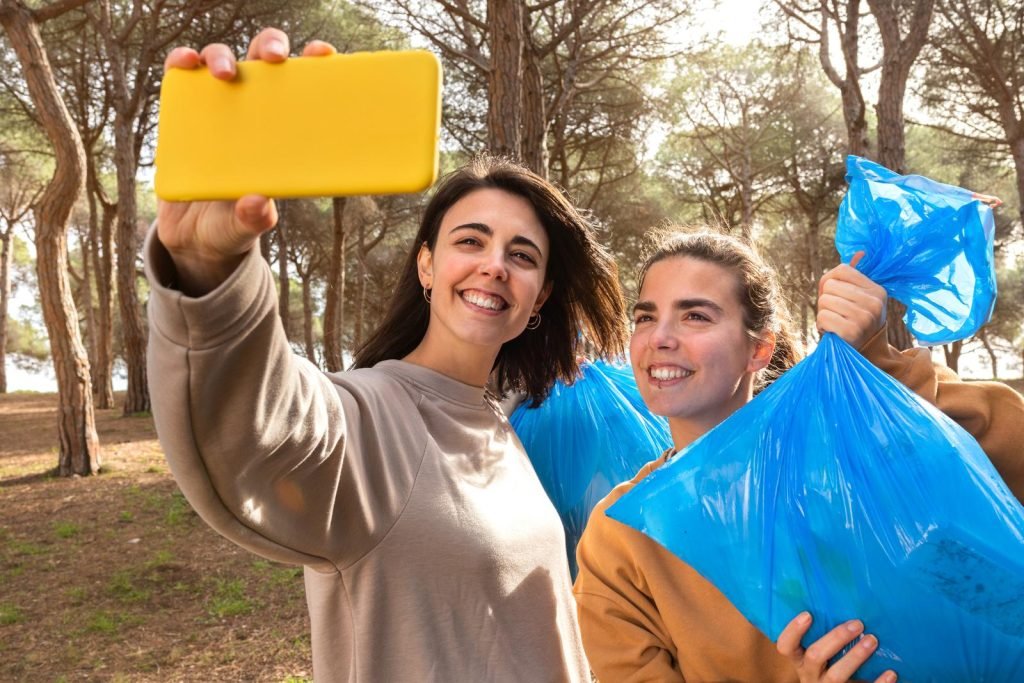
Content is king in the realm of social media, and this holds true for engaging volunteers as well. To attract potential volunteers, organizations must create content that not only informs but also inspires. This could include testimonials from current volunteers sharing their experiences, highlighting the skills they’ve gained or the friendships they’ve formed.
Such narratives can resonate deeply with individuals who may be hesitant about committing their time. Moreover, educational content can play a crucial role in retaining volunteers. Providing resources that help them understand the organization’s mission, the issues at hand, and how their contributions make a difference can foster a deeper connection.
Infographics, blog posts, and videos that explain complex topics in an accessible way can empower volunteers with knowledge, making them feel more invested in the cause. When volunteers feel informed and valued, they are more likely to remain engaged and committed over time.
Using Social Media Challenges and Campaigns to Mobilize Volunteers
Social media challenges have become a popular way to engage audiences while promoting a cause. By creating a challenge that aligns with the organization’s mission, NGOs can encourage participation in a fun and interactive manner. For example, a wildlife conservation NGO might launch a “30-Day Nature Challenge,” where participants share photos of their outdoor adventures while raising awareness about local ecosystems.
This not only spreads the word about the organization but also encourages individuals to take action in their own lives. Campaigns that incorporate hashtags can further amplify reach and engagement. When participants use a specific hashtag, it creates a sense of community among those involved in the challenge.
This shared experience can motivate others to join in, leading to increased volunteer recruitment.
Additionally, organizations can offer incentives for participation, such as recognition on social media or small prizes for those who complete the challenge.
This gamification aspect can make volunteering feel more accessible and enjoyable.
Engaging Volunteers Through Live Events and Q&A Sessions on Social Media
Live events on social media platforms provide an excellent opportunity for NGOs and NPOs to engage with their audience in real-time. Hosting Q&A sessions allows potential volunteers to ask questions directly to staff or current volunteers, alleviating any concerns they may have about getting involved. These sessions can be particularly effective in demystifying the volunteering process and showcasing the organization’s culture.
Moreover, live events can serve as a platform for sharing success stories or highlighting specific projects that need volunteer support. By showcasing real-time interactions and genuine enthusiasm from current volunteers, organizations can create an inviting atmosphere that encourages others to join in. The immediacy of live events fosters a sense of urgency; viewers may feel compelled to act quickly after witnessing the passion and dedication of those already involved.
Encouraging Peer-to-Peer Fundraising and Volunteer Recruitment on Social Media

Peer-to-peer fundraising has gained traction as an effective way to mobilize supporters while expanding an organization’s reach. By encouraging current volunteers to share their fundraising efforts on social media, NGOs can tap into their networks for both donations and new volunteer recruits. This approach leverages personal connections, making it more likely that friends and family will respond positively to requests for support.
To facilitate this process, organizations can provide volunteers with easy-to-use tools and templates for sharing their campaigns online. Clear guidelines on how to promote their efforts effectively can empower volunteers to take ownership of their fundraising initiatives. Additionally, recognizing top fundraisers or highlighting their stories on social media can create a sense of friendly competition while motivating others to participate.
Utilizing Influencer Partnerships to Expand Volunteer Engagement
In today’s digital age, influencers hold significant sway over public opinion and behavior. Partnering with influencers who align with an organization’s mission can be an effective strategy for expanding volunteer engagement. These individuals often have dedicated followings that trust their recommendations, making them ideal advocates for nonprofit causes.
When selecting influencers for partnerships, it’s essential to choose those whose values align with the organization’s mission. Authenticity is key; followers are quick to spot insincerity. Collaborating with influencers on campaigns that highlight volunteer opportunities or showcase the impact of donations can lead to increased visibility and engagement.
Whether through Instagram takeovers or collaborative content creation, these partnerships can breathe new life into volunteer recruitment efforts.
Measuring and Analyzing the Impact of Social Media Engagement on Volunteer Participation in Education and Nonprofit Organizations
As with any strategy, measuring success is crucial for understanding what works and what doesn’t. Organizations should establish clear metrics for evaluating social media engagement related to volunteer participation. This could include tracking follower growth, engagement rates on posts related to volunteering, or the number of new sign-ups generated through social media campaigns.
Analyzing this data allows organizations to refine their strategies over time. For instance, if certain types of content consistently lead to higher engagement or volunteer sign-ups, it makes sense to focus more on those formats in future campaigns.
Additionally, gathering feedback from volunteers about how they discovered the organization can provide valuable insights into which social media efforts are most effective.
In conclusion, engaging volunteers through social media is not merely about posting calls for help; it requires a thoughtful approach that combines compelling content, community-building strategies, and innovative campaigns. By leveraging the unique features of various platforms and fostering genuine connections with potential volunteers, NGOs and NPOs can create vibrant communities of support that drive meaningful change. As organizations continue to adapt to the digital landscape, those that embrace these strategies will undoubtedly find themselves at the forefront of volunteer engagement in the years to come.