
In the fast-paced world of nonprofit organizations, effective communication is the lifeblood that keeps the mission alive. Whether you’re a communications officer in an NGO, a nonprofit organization (NPO), or an educational institution, the ability to convey your message clearly and efficiently can make all the difference. However, many organizations operate on tight budgets, making it essential to find tools that are both effective and affordable.
You should also ask yourself: is this tool necessary, and can your organization absorb and use it. A tool is useless if it becomes “shelfware”.
Fortunately, a plethora of free(r) and low(er)-cost tools are available that can help streamline communication efforts, enhance outreach, and ultimately drive impact. These tools not only save money but also empower teams to work smarter. From social media management to email marketing, graphic design, and project management, the right resources can transform how organizations connect with their audiences.
In this article, we’ll explore various categories of tools that can help communications officers maximize their efforts without breaking the bank. By leveraging these resources, nonprofits can amplify their voices, engage their communities, and further their missions with confidence.
Social Media Management and Analytics Tools for Nonprofits
Social media has become a cornerstone of communication for nonprofits, allowing them to reach wider audiences and engage with supporters in real-time. However, managing multiple platforms can be overwhelming without the right tools. Enter social media management platforms like Hootsuite and Buffer.
These tools allow communications officers to schedule posts across various channels, monitor engagement, and analyze performance metrics—all from one convenient dashboard. Imagine being able to plan your content calendar for the month in just a couple of hours instead of scrambling daily to keep up with posts! Analytics tools like Sprout Social provide deeper insights into audience behavior and engagement trends.
Understanding what content resonates with your audience can help tailor future campaigns for maximum impact. For instance, if you discover that your followers respond more positively to stories about community impact rather than statistics, you can adjust your messaging accordingly. The beauty of these tools lies in their ability to provide actionable insights that can inform strategy and enhance overall communication efforts.
Email Marketing Platforms for Nonprofit Organizations

It’s a letter – it’s a pitch – it’s email marketing
Email marketing remains one of the most effective ways for nonprofits to communicate with supporters, share updates, and drive engagement. Platforms like Mailchimp, Hubspot and Constant Contact offer user-friendly interfaces that make it easy to create visually appealing newsletters and targeted campaigns. With customizable templates and drag-and-drop features, even those with minimal design experience can produce professional-looking emails that capture attention.
Moreover, these platforms often come equipped with analytics features that allow organizations to track open rates, click-through rates, and subscriber engagement. This data is invaluable for refining future campaigns. For example, if a particular subject line leads to higher open rates, you can replicate that success in future emails.
Additionally, segmentation features enable nonprofits to tailor messages based on donor history or interests, ensuring that communications are relevant and engaging.
Graphic Design and Video Editing Tools for Nonprofit Communication
Visual storytelling is a powerful tool in nonprofit communication, and having access to graphic design and video editing software can elevate your messaging significantly. Canva is a popular choice among nonprofits for its intuitive design capabilities. With a vast library of templates tailored for social media posts, flyers, and presentations, even those without a design background can create eye-catching visuals that resonate with their audience.
For video content, platforms like InVideo or Adobe Spark (still a heavy learning curb) provide easy-to-use interfaces for creating engaging videos without requiring extensive editing skills. Whether it’s a heartfelt testimonial from a beneficiary or an informative explainer video about your organization’s mission, these tools allow you to produce high-quality content that can be shared across various platforms. The ability to visually communicate your message not only enhances engagement but also helps build a stronger emotional connection with your audience.
Website Building and Content Management Systems for Nonprofits
A well-designed website serves as the digital storefront for any nonprofit organization. It’s where potential supporters go to learn about your mission, programs, and how they can get involved. Fortunately, website builders like WordPress (learning curve and lots of trial and error), Squarespace (can get expensive) and Wix (you might become capative with ever increasing fees) offer user-friendly platforms that allow nonprofits to create professional websites without needing extensive coding knowledge.
With customizable templates and plugins tailored for nonprofits, these tools make it easy to showcase your work effectively. Content management systems (CMS) also play a crucial role in keeping your website updated with fresh content.
Regularly posting blog articles or updates about your organization’s activities not only keeps your audience informed but also improves search engine visibility.
By utilizing SEO best practices within these platforms, nonprofits can increase their chances of being discovered by individuals searching for causes they care about. A well-maintained website is an essential tool for building credibility and fostering trust among supporters.
Project Management and Collaboration Tools for Nonprofit Communication Teams
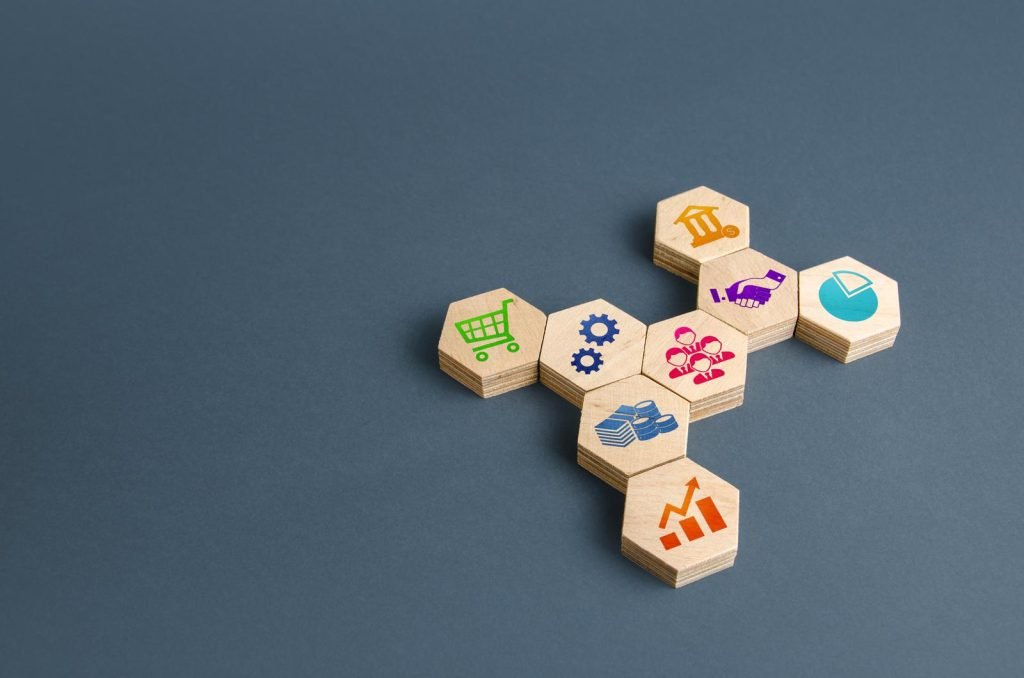
A good project management tool can save massive amounts of time and emails.
Effective communication within nonprofit teams is vital for achieving goals and executing campaigns successfully.
Project management tools like Monday.com (free for certified NGOs/NPOs with 10 users), Trello or Asana help streamline workflows by allowing team members to assign tasks, set deadlines, and track progress in real-time.
These platforms foster collaboration by providing a centralized space where everyone can stay informed about project developments.
Additionally, tools like Slack or Microsoft Teams facilitate instant communication among team members, making it easier to share ideas or address concerns quickly. Imagine being able to brainstorm campaign ideas in a dedicated channel while simultaneously tracking project timelines in another tab—this level of organization can significantly enhance productivity within nonprofit teams. By leveraging these tools, communications officers can ensure that everyone is on the same page and working towards common objectives.
Fundraising and Donation Management Platforms for Nonprofit Organizations
Fundraising is at the heart of many nonprofit organizations’ operations, making it essential to have effective tools in place for managing donations. Platforms like Donorbox or GiveLively offer user-friendly interfaces that allow nonprofits to set up donation pages quickly. These tools often come with features such as recurring donation options and donor management systems that help organizations keep track of contributions over time.
Moreover, integrating fundraising platforms with social media channels can amplify outreach efforts significantly. For instance, sharing success stories or campaign updates on social media while linking back to your donation page can encourage supporters to contribute directly from their feeds. The ability to manage donations seamlessly not only enhances the donor experience but also allows nonprofits to focus more on their mission rather than administrative tasks.
Data Analysis and Reporting Tools for Nonprofit Communication and Impact Measurement
In today’s data-driven world, understanding the impact of your organization’s efforts is crucial for demonstrating accountability to stakeholders and securing future funding. Data analysis tools like Google Analytics provide insights into website traffic patterns, helping nonprofits understand how visitors interact with their content. This information is invaluable for refining communication strategies and ensuring that messaging aligns with audience interests.
Additionally, reporting tools such as Tableau or Microsoft Power BI enable organizations to visualize data in meaningful ways. By creating interactive dashboards that showcase key performance indicators (KPIs), nonprofits can effectively communicate their impact to donors and stakeholders. For example, presenting data on how funds are allocated or showcasing success stories through visualizations can enhance transparency and build trust within the community.
In conclusion, the landscape of communication tools available for NGOs, NPOs, and educational institutions is vast and varied. By leveraging free and low-cost resources across social media management, email marketing, graphic design, website building, project management, fundraising, and data analysis, communications officers can enhance their outreach efforts significantly without straining their budgets. The right tools not only streamline processes but also empower organizations to tell their stories more effectively—ultimately driving greater impact in the communities they serve.