

In the world of fundraising, visuals wield an extraordinary power. They can evoke emotions, convey complex information quickly, and create lasting impressions. Think about it: a well-crafted image can tell a story that words alone might struggle to communicate. At the minimum, every story should have an image, let alone an infographic or a video.
When potential donors scroll through endless emails or social media feeds, a striking visual can stop them in their tracks, drawing them into your cause.
This is not merely a matter of aesthetics; it’s about harnessing the innate human response to imagery. Our brains process visuals 60,000 times faster than text, making them an essential tool in capturing attention and fostering engagement.
Moreover, visuals can bridge the gap between your organization and potential supporters. They can humanize your mission, showcasing the real people and communities that benefit from donations. A photograph of a smiling child receiving school supplies or a video of volunteers in action can create a connection that statistics alone cannot achieve.
This emotional resonance is crucial in fundraising, as it transforms abstract concepts into relatable narratives. When donors see the tangible impact of their contributions through compelling visuals, they are more likely to feel motivated to give.
Choosing the Right Visuals for Your Audience
Selecting the right visuals is akin to choosing the perfect outfit for an important occasion; it requires an understanding of your audience and the message you wish to convey. Different demographics respond to different types of imagery. For instance, younger audiences may gravitate towards vibrant, dynamic visuals that reflect their values and interests, while older generations might appreciate more traditional imagery that conveys trust and stability.
Understanding these nuances can significantly enhance your fundraising efforts. Additionally, consider the context in which your visuals will be presented. A powerful image that works well on social media may not have the same impact in a formal grant proposal.
Tailoring your visuals to fit the platform and audience is essential. For example, if you’re targeting corporate sponsors, sleek and professional graphics that highlight your organization’s achievements may resonate more than casual snapshots from community events. By aligning your visuals with your audience’s expectations and preferences, you increase the likelihood of capturing their attention and inspiring action.
Creating Compelling Infographics and Data Visualizations
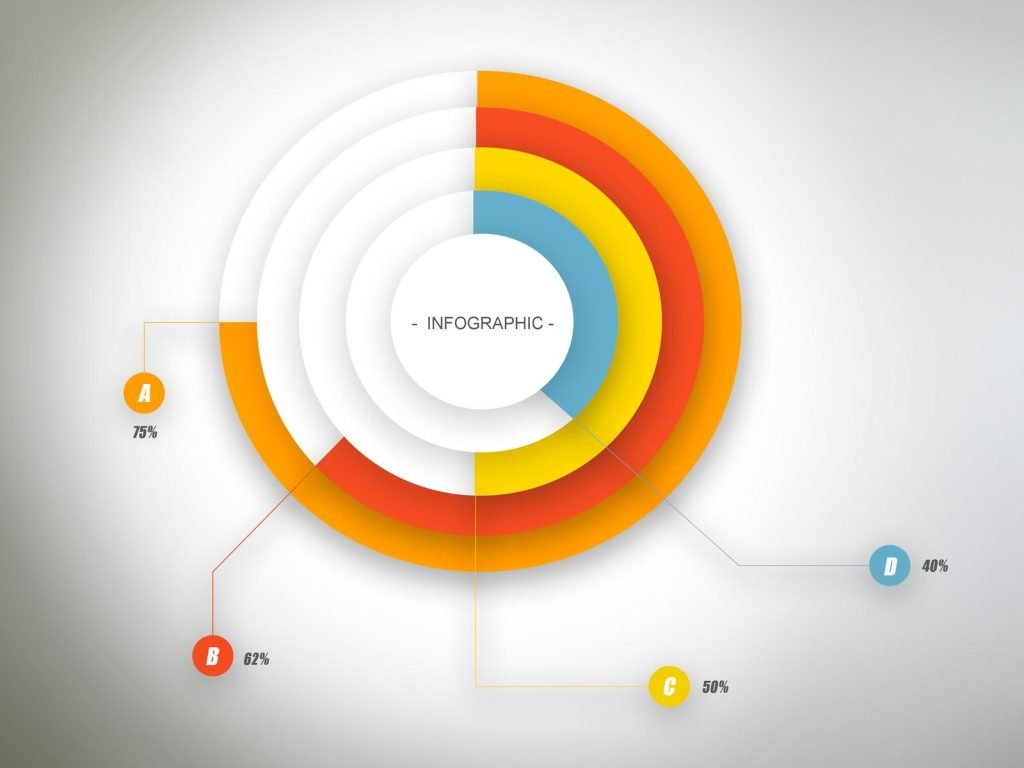
Infographics convey much in a smaller space
Infographics and data visualizations are powerful tools for distilling complex information into digestible formats. In fundraising, where statistics often play a crucial role in demonstrating impact, these visuals can make a significant difference. A well-designed infographic can transform a sea of numbers into a compelling narrative that highlights your organization’s achievements and goals.
For instance, instead of presenting raw data about the number of meals served or children educated, an infographic can illustrate these figures in a way that tells a story—perhaps showing how many families were fed over a specific period or how educational programs have evolved. When creating infographics, clarity is key. Use a clean layout with a logical flow that guides the viewer through the information.
Incorporate colors and icons that align with your organization’s branding while ensuring that they enhance rather than distract from the message. Remember, the goal is to make the data accessible and engaging. A cluttered or overly complex infographic can confuse rather than inform, so simplicity often reigns supreme in effective design.
Using Videos to Tell Your Organization’s Story
Video content has become an indispensable part of modern communication, especially in fundraising. A well-produced video can encapsulate your organization’s mission, showcase its impact, and inspire viewers to take action—all within a few minutes. Unlike static images or text-heavy reports, videos engage multiple senses, making them more memorable and impactful. No budget? Get creative with the many programs out there.
They allow you to convey emotion through music, voiceovers, and personal testimonials, creating a narrative that resonates deeply with potential donors. When crafting your fundraising videos, authenticity is paramount. Audiences are increasingly savvy; they can spot insincerity from a mile away.
Featuring real beneficiaries sharing their stories or volunteers discussing their experiences can create a genuine connection with viewers. Additionally, keep your videos concise—aim for around two to three minutes—to maintain engagement while delivering your message effectively. A powerful call to action at the end can further encourage viewers to support your cause.
Leveraging Social Media and Visual Platforms
Social media has revolutionized how organizations connect with supporters, and visuals play a central role in this transformation. Platforms like Instagram, Pinterest, and TikTok thrive on visual content, making them ideal for fundraising campaigns. By sharing eye-catching images and videos that highlight your organization’s work, you can reach a broader audience and foster community engagement.
The shareability of visual content also means that supporters can easily spread the word about your cause, amplifying your reach exponentially. To maximize impact on social media, consider creating platform-specific content. For instance, Instagram Stories allow for quick snippets of engaging visuals that can capture attention instantly, while Facebook allows for longer posts with multiple images or videos.
Tailoring your content to fit each platform’s unique characteristics ensures that you’re not only reaching your audience but also engaging them effectively. Additionally, using hashtags strategically can help increase visibility and connect with like-minded individuals who may be interested in supporting your cause.
Incorporating Visuals into Grant Proposals and Reports

It takes some imagination but reports can be fundraisers
While grant proposals and reports are often text-heavy documents, incorporating visuals can significantly enhance their effectiveness. Funders are inundated with information; therefore, presenting data visually can help highlight key points and make your case more compelling. Charts, graphs, and images can break up dense text and provide visual evidence of your organization’s impact and effectiveness.
When integrating visuals into these documents, ensure they are relevant and support your narrative rather than distract from it. A well-placed chart illustrating growth over time or a photo showcasing program participants can reinforce your message powerfully. Additionally, consider including captions or brief explanations alongside visuals to provide context and enhance understanding.
This approach not only makes your proposal more engaging but also demonstrates professionalism and attention to detail.
Measuring the Impact of Visuals on Fundraising Efforts
Understanding the effectiveness of your visual strategies is crucial for continuous improvement in fundraising efforts. Measuring impact involves analyzing various metrics such as engagement rates on social media posts featuring visuals versus those without, tracking conversion rates from visual campaigns, and gathering feedback from donors about what resonates with them visually. Tools like Google Analytics can provide insights into how visuals influence website traffic and donor behavior.
Additionally, consider conducting surveys or focus groups to gather qualitative data on how visuals affect donor perceptions and motivations. This feedback can guide future visual strategies and help refine your approach to storytelling through imagery. By regularly assessing the impact of your visuals, you can adapt and evolve your fundraising tactics to better meet the needs of your audience.
Tips for Designing Effective Visuals for Funders
Creating effective visuals for funders requires a blend of creativity and strategic thinking. Start by clearly defining the message you want to convey; this will guide your design choices. Use high-quality images that reflect professionalism and authenticity—blurry or poorly composed photos can undermine credibility.
Additionally, maintain consistency in branding elements such as colors, fonts, and logos across all visuals to create a cohesive identity. Simplicity is another crucial aspect of effective design. Avoid cluttered layouts that overwhelm viewers; instead, focus on clean lines and ample white space to enhance readability.
Use contrasting colors to draw attention to key information or calls to action within your visuals. Finally, always consider accessibility; ensure that text is legible against backgrounds and that color choices are inclusive for those with color vision deficiencies. In conclusion, harnessing the power of visuals in fundraising is not merely an option; it’s a necessity in today’s fast-paced digital landscape.
By choosing the right visuals for your audience, creating compelling infographics and videos, leveraging social media effectively, incorporating visuals into grant proposals, measuring their impact, and designing with intention, you can elevate your fundraising efforts significantly. Remember that at the heart of every successful campaign lies a story waiting to be told—one that visuals can help bring to life in ways that words alone cannot achieve.