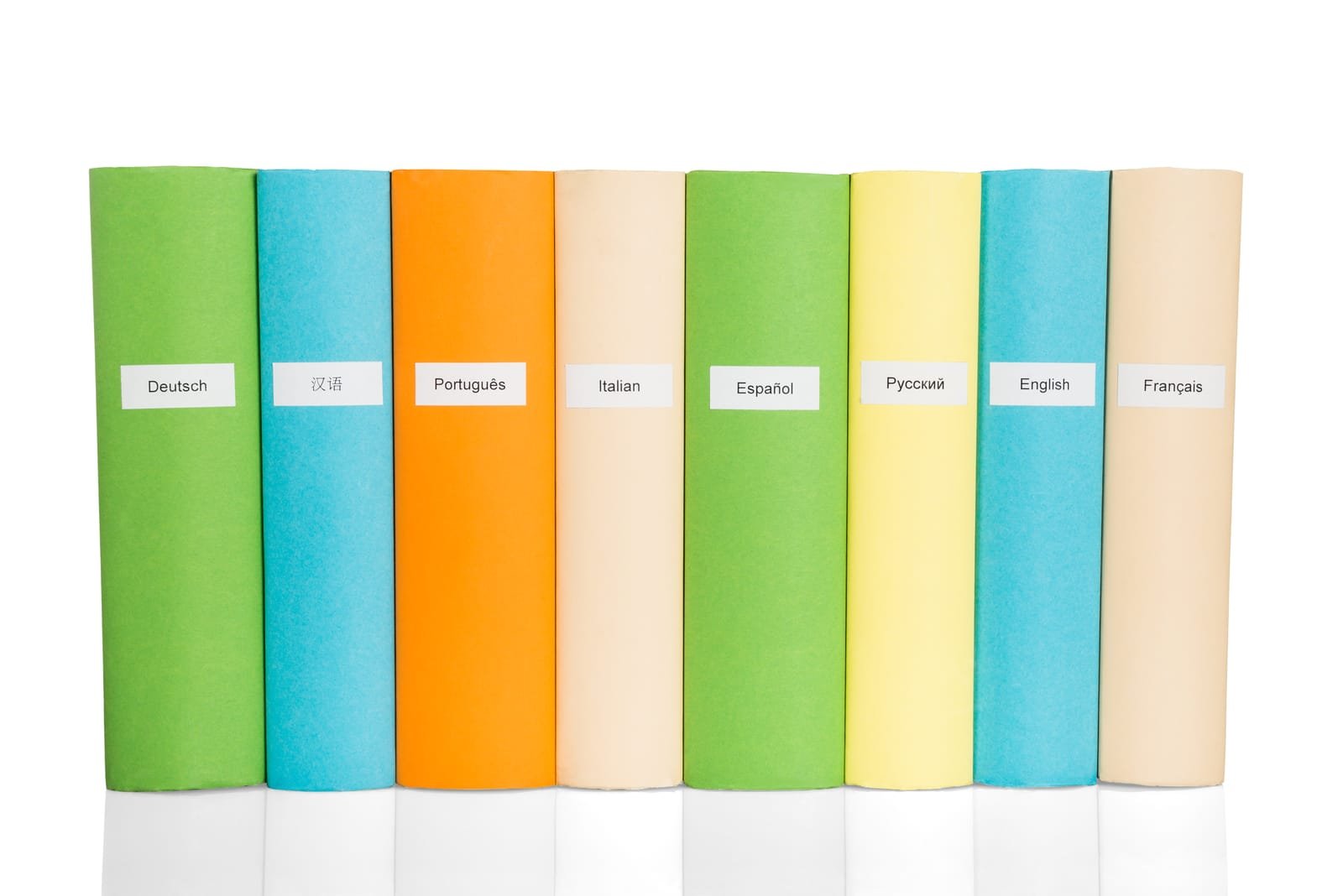
Artificial Intelligence has revolutionized many industries, and translation is no exception.
AI-powered translation tools leverage machine learning algorithms to analyze vast amounts of text, learning from context, syntax, and semantics to produce translations that are not only accurate but also contextually relevant.
Unlike traditional translation methods, which often relied on word-for-word translations, AI systems can grasp the nuances of language, making them more adept at handling idioms, colloquialisms, and cultural references.
This capability is particularly beneficial in our increasingly globalized world, where businesses and individuals frequently communicate across language barriers. The technology behind AI translation has evolved significantly over the years. Early systems were often clunky and produced stilted translations that left much to be desired.
However, advancements in neural networks and deep learning have led to a new generation of translation tools that can mimic human-like understanding. These systems analyze not just individual words but entire sentences and paragraphs, allowing for a more fluid and natural translation. As a result, users can expect translations that feel less like they were generated by a machine and more like they were crafted by a skilled translator.
Choosing the Right AI-Powered Translation Tool
Defining Your Translation Requirements
Are you looking for a tool that excels in technical translations, or do you need something that can handle creative content? Some tools are better suited for specific industries, such as legal or medical fields, where precision is paramount. Others may shine in casual or conversational contexts.
User Experience and Integration
Another critical factor to consider is the user interface and ease of integration with your existing systems. A tool that is difficult to navigate or doesn’t play well with your current software can lead to frustration and inefficiency. Look for platforms that offer user-friendly interfaces and robust customer support.
Language Support and Testing
Additionally, consider whether the tool supports the languages you need. While many tools boast extensive language libraries, not all are created equal when it comes to less commonly spoken languages or dialects. Take the time to test a few options through free trials or demos to find the one that best fits your workflow.
Implementing AI-Powered Translation in Your Business
Make sure everything works before extending congratulations
Once you’ve chosen an AI-powered translation tool, the next step is implementation. This phase can be both exciting and daunting, as it involves integrating new technology into your existing processes. Start by identifying key areas where translation will play a significant role in your business operations.
For instance, if you run an e-commerce site, product descriptions and customer service communications may be top priorities. By focusing on high-impact areas first, you can quickly demonstrate the value of the new tool to your team. Training your staff on how to use the new translation tool effectively is crucial for a smooth transition.
Organize workshops or training sessions to familiarize your team with the software’s features and capabilities. Encourage them to experiment with different types of content to see how the tool performs across various contexts. It’s also wise to establish guidelines for when human translators should step in, especially for sensitive or complex materials.
This hybrid approach can help maintain quality while still benefiting from the speed and efficiency of AI-powered translation.
Maximizing the Benefits of AI-Powered Translation
To truly harness the power of AI-powered translation, businesses must adopt strategies that maximize its benefits. One effective approach is to create a centralized repository of translated materials.
This not only streamlines future translations but also ensures consistency across all communications.
By maintaining a glossary of terms and phrases specific to your brand or industry, you can help the AI tool learn and adapt to your unique language style over time. Another way to enhance the effectiveness of AI translation is by encouraging feedback from users. Whether it’s employees or customers, gathering insights on the quality of translations can provide valuable data for refining your processes.
Consider implementing a feedback loop where users can report inaccuracies or suggest improvements. This collaborative approach not only helps improve the AI’s performance but also fosters a culture of continuous improvement within your organization.
Overcoming Challenges in AI-Powered Translation
While AI-powered translation offers numerous advantages, it’s not without its challenges. One significant hurdle is dealing with context-specific nuances that machines may struggle to interpret correctly. For example, humor often relies on cultural references that may not translate well across languages.
In such cases, relying solely on AI can lead to misunderstandings or even offense. It’s essential to recognize these limitations and be prepared to involve human translators when necessary. Another challenge lies in maintaining data privacy and security when using cloud-based translation services.
Businesses must ensure that sensitive information is protected during the translation process. This may involve choosing tools that offer robust encryption and compliance with data protection regulations. Additionally, it’s wise to conduct regular audits of your translation processes to identify any potential vulnerabilities and address them proactively.
Ensuring Accuracy and Quality in AI-Powered Translation
Sure, AI can do it, but is it correct?
The Importance of a Multi-Step Review Process
To ensure high-quality translations, businesses should implement a multi-step review process that combines AI capabilities with human oversight. This process involves generating an initial translation using AI tools, followed by a review and refinement of the output by a qualified translator. This collaborative approach can significantly enhance accuracy and prevent errors.
Investing in Ongoing Training and Updates
Moreover, investing in ongoing training for both AI tools and human translators is crucial for maintaining quality over time. As language evolves and new terminology emerges, keeping translation resources up-to-date will help prevent outdated or incorrect translations from slipping through the cracks. Regularly updating glossaries and style guides can also contribute to consistency across all translated materials.
Maintaining Consistency and Quality Over Time
By implementing a multi-step review process and investing in ongoing training and updates, businesses can ensure that their translations remain accurate, consistent, and of high quality over time. This not only helps to prevent miscommunication but also enhances the overall reputation of the business.
Adapting AI-Powered Translation for Different Languages and Cultures
One of the most exciting aspects of AI-powered translation is its ability to adapt to various languages and cultures. However, this adaptability requires careful consideration of linguistic differences and cultural contexts. Not all languages follow the same grammatical structures or idiomatic expressions, which means that a one-size-fits-all approach won’t work effectively.
To optimize translations for different languages, businesses should invest time in understanding the specific linguistic characteristics of their target markets. This might involve collaborating with native speakers or cultural experts who can provide insights into local customs and preferences. By tailoring translations to resonate with specific audiences, companies can foster stronger connections and enhance their global reach.
Future Developments in AI-Powered Translation Technology
The future of AI-powered translation technology holds immense potential as advancements continue to unfold at a rapid pace. One area poised for growth is real-time translation capabilities, which could revolutionize communication in international business settings. Imagine attending a conference where participants speak different languages but can understand each other seamlessly through wearable devices or smartphone apps—this could soon become a reality.
Additionally, as machine learning algorithms become more sophisticated, we can expect even greater accuracy in translations across diverse contexts. Future developments may also include enhanced emotional intelligence in translations, allowing machines to recognize tone and sentiment more effectively. This could lead to translations that not only convey meaning but also capture the emotional nuances behind words.
In conclusion, AI-powered translation is transforming how we communicate across language barriers, offering businesses unprecedented opportunities for growth and connection in an increasingly globalized world. By understanding its capabilities, choosing the right tools, implementing them effectively, and continuously striving for quality and cultural relevance, organizations can harness this technology’s full potential while navigating its challenges with confidence.