
Inclusive (don’t be fooled – inclusivity is alive and well) storytelling is more than a buzzword; it’s a vital approach that seeks to represent the diverse tapestry of human experiences. At its core, inclusive storytelling acknowledges that every voice matters and that narratives should reflect the richness of our global society. This means moving beyond the traditional narratives that often center on a singular perspective, typically that of the dominant culture.
Instead, it embraces a multitude of viewpoints, ensuring that stories resonate with a wider audience and foster empathy and understanding. When we talk about inclusive storytelling, we’re also discussing the importance of context. Stories are shaped by the cultures, histories, and lived experiences of those who tell them.
For instance, a story told from the perspective of a marginalized community can provide insights that challenge stereotypes and broaden horizons. By weaving in various cultural threads, storytellers can create a more nuanced narrative that not only entertains but also educates and inspires. This approach encourages audiences to engage with stories on a deeper level, fostering connections that transcend boundaries.
Recognizing Savior Narratives in Storytelling
The Problem with the White Savior Trope
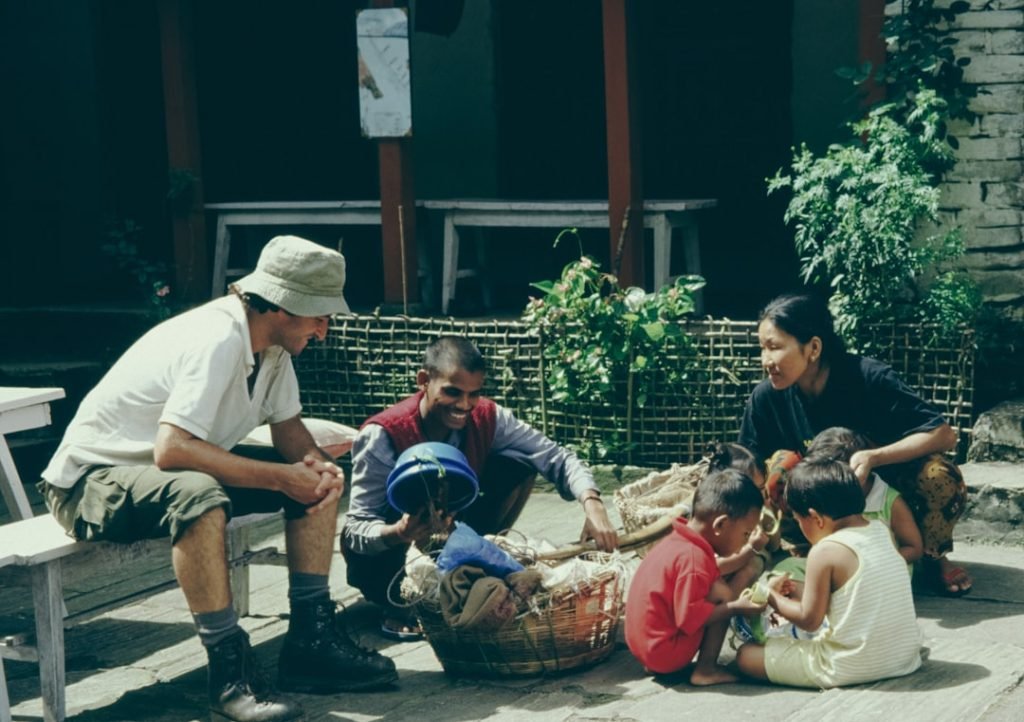
The classic trope of the white savior, for example, has been critiqued for its oversimplification of complex social issues and its tendency to sideline the voices of those who are actually affected by these challenges.
The False Sense of Agency
Recognizing these narratives is crucial for anyone who wishes to engage in responsible storytelling. The danger of savior narratives lies in their ability to create a false sense of agency. When stories focus on the savior rather than the individuals or communities being “saved,” they strip away the complexity of real-life struggles and triumphs.
Towards a More Authentic Representation
This not only diminishes the experiences of marginalized groups but also positions them as passive recipients of help rather than active agents in their own stories. By identifying these narratives, storytellers can begin to shift the focus back to those who are often overlooked, allowing for a more authentic representation of their experiences.
Identifying Bias in Storytelling
Where’s the focus?
Bias in storytelling can manifest in various forms, from overt stereotypes to subtle assumptions that shape how characters and communities are portrayed. It’s essential to recognize that every storyteller brings their own perspectives and biases to their work, whether consciously or unconsciously. This can lead to skewed representations that fail to capture the full spectrum of human experience.
Identifying bias requires a critical eye and an openness to feedback, as well as a willingness to confront uncomfortable truths about one’s own perspectives. One common form of bias is the tendency to portray certain groups in a monolithic way. For instance, depicting all members of a particular culture as sharing the same beliefs or behaviors ignores the rich diversity within that group.
This not only perpetuates stereotypes but also alienates individuals who may not see themselves reflected in these narrow portrayals. By actively seeking out diverse voices and perspectives, storytellers can challenge their own biases and create more authentic narratives that resonate with a broader audience.
The Impact of Savior Narratives and Bias
The impact of savior narratives and bias in storytelling extends far beyond the pages of books or frames of films; it shapes societal perceptions and influences real-world attitudes toward marginalized communities. When stories consistently depict certain groups as helpless or in need of rescue, they reinforce harmful stereotypes that can lead to discrimination and misunderstanding. This can create a cycle where marginalized individuals feel devalued and voiceless, further entrenching societal divides.
Moreover, savior narratives can lead to a lack of accountability for systemic issues. By framing social problems as individual challenges that require external intervention, these narratives divert attention from the root causes of inequality. This not only undermines the agency of those affected but also allows society to overlook the need for structural change.
Understanding this impact is crucial for storytellers who wish to create narratives that empower rather than diminish, fostering a more equitable society.
Strategies for Avoiding Savior Narratives in Storytelling
Avoiding savior narratives requires intentionality and a commitment to authenticity in storytelling. One effective strategy is to center the voices of those who are directly impacted by the issues being portrayed.
This means engaging with individuals from marginalized communities during the storytelling process, whether through interviews, workshops, or collaborative projects.
By prioritizing their perspectives, storytellers can create narratives that reflect genuine experiences rather than relying on preconceived notions. Another strategy involves critically examining one’s own motivations for telling a particular story. Are you seeking to uplift marginalized voices, or are you more interested in showcasing your own heroism?
Reflecting on these questions can help storytellers avoid falling into the trap of savior narratives. Additionally, incorporating diverse characters with agency and depth can enrich stories and provide audiences with a more accurate representation of reality. By focusing on character development and authentic relationships, storytellers can create compelling narratives that resonate without resorting to harmful tropes.
Promoting Diversity and Inclusion in Storytelling

It matters. Who’s telling the story?
Promoting diversity and inclusion in storytelling is not merely an ethical obligation; it enriches the narrative landscape and enhances creativity. When diverse voices are included in storytelling processes, they bring unique perspectives that challenge conventional wisdom and inspire innovation. This diversity can manifest in various ways—through character representation, plotlines that explore different cultural contexts, or even through the creative teams behind the stories themselves.
One effective way to promote diversity is by supporting creators from underrepresented backgrounds. This can involve amplifying their work through platforms that prioritize inclusivity or providing resources and opportunities for emerging storytellers. By creating spaces where diverse voices can thrive, we not only enrich our cultural narratives but also foster a sense of belonging for those who have historically been marginalized in mainstream storytelling.
Amplifying Marginalized Voices in Storytelling
Amplifying marginalized voices is essential for creating a more equitable narrative landscape. This involves actively seeking out stories from individuals who have been historically silenced or overlooked. Whether through literature, film, or other forms of media, giving space to these voices allows for a richer understanding of diverse experiences and challenges prevailing stereotypes.
One powerful way to amplify marginalized voices is through mentorship programs that connect established creators with emerging talent from underrepresented backgrounds. These initiatives can provide invaluable support and guidance while also fostering a sense of community among storytellers. Additionally, platforms dedicated to showcasing diverse narratives can help elevate these voices, ensuring they reach wider audiences and contribute to a more inclusive cultural dialogue.
Creating Authentic and Respectful Storytelling Experiences
Creating authentic and respectful storytelling experiences requires a commitment to understanding and honoring the complexities of different cultures and communities. This begins with thorough research and engagement with those whose stories are being told. Listening actively and approaching storytelling with humility can help avoid misrepresentation and ensure that narratives are grounded in reality.
Moreover, it’s essential to recognize that authenticity doesn’t mean portraying every aspect of a culture or experience perfectly; rather, it involves capturing its essence with respect and sensitivity.
Collaborating with individuals from the community being represented can provide invaluable insights and help navigate potential pitfalls.
By prioritizing authenticity and respect in storytelling, creators can foster connections that resonate deeply with audiences while honoring the richness of diverse human experiences.
In conclusion, inclusive storytelling is an ongoing journey that requires vigilance, empathy, and a willingness to learn from others. By recognizing savior narratives and bias, promoting diversity, amplifying marginalized voices, and creating authentic experiences, storytellers can contribute to a richer narrative landscape that reflects the true complexity of our world. As we continue to share our stories, let’s strive for inclusivity that uplifts all voices and fosters understanding across cultures.