The landscape for non-governmental organizations (NGOs) in the United States has shifted dramatically. Once seen as vital players in addressing social issues, advocating for human rights, and providing essential services, these organizations now find themselves under increasing scrutiny and attack. The rise of hostility towards NGOs can be traced back to a growing anti-establishment sentiment hyped by social media that has permeated, especially in the US, politics. This has fostered a corrosive “us against them” perception, and a near collapse in social discourse.
This sentiment has manifested in various forms, from public vilification to legislative measures aimed at curtailing their operations. The narrative surrounding NGOs has morphed from one of collaboration and support to one of suspicion and hostility, creating an environment where these organizations must constantly defend their legitimacy and purpose. The attacks on NGOs are not merely isolated incidents; they represent a broader trend that threatens the very fabric of civil society.
As these organizations face mounting pressure, they are often portrayed as adversaries rather than allies in the quest for social justice and community well-being. This shift is alarming, as it undermines the essential role that NGOs play in advocating for marginalized communities, providing humanitarian aid, and holding governments accountable. The rise of attacks on NGOs is not only a challenge for these organizations; it also poses a significant threat to the democratic principles that underpin American society.
Targeting NGOs and Free Speech
The US government is now playing a pivotal role in amplifying the attacks on NGOs and free speech. Often painted as part of a larger “deep state” conspiracy, these accusations undermine organization’s credibility and foster an environment of distrust among the public. By labeling NGOs as “fake news” or accusing them of being funded by foreign entities, the US government effectively weaponized public opinion against these organizations.
This strategy not only marginalized NGOs but also emboldened his supporters to view them as enemies of the state, further polarizing an already divided nation. Moreover, these policies reflected this antagonism towards NGOs. The current administration implemented budget cuts to programs that supported humanitarian efforts and social services, effectively crippling many organizations that relied on federal funding.
The message is clear: if you don’t align with our agenda, your voice will be silenced. This approach not only stifles dissent but also set a dangerous precedent for future administrations and regimes closely watching what is unfolding in the United States. The targeting of NGOs was not merely a political maneuver; it was a calculated effort to reshape the narrative around civil society and free speech in America.
Censorship and Suppression of NGOs’ Voices
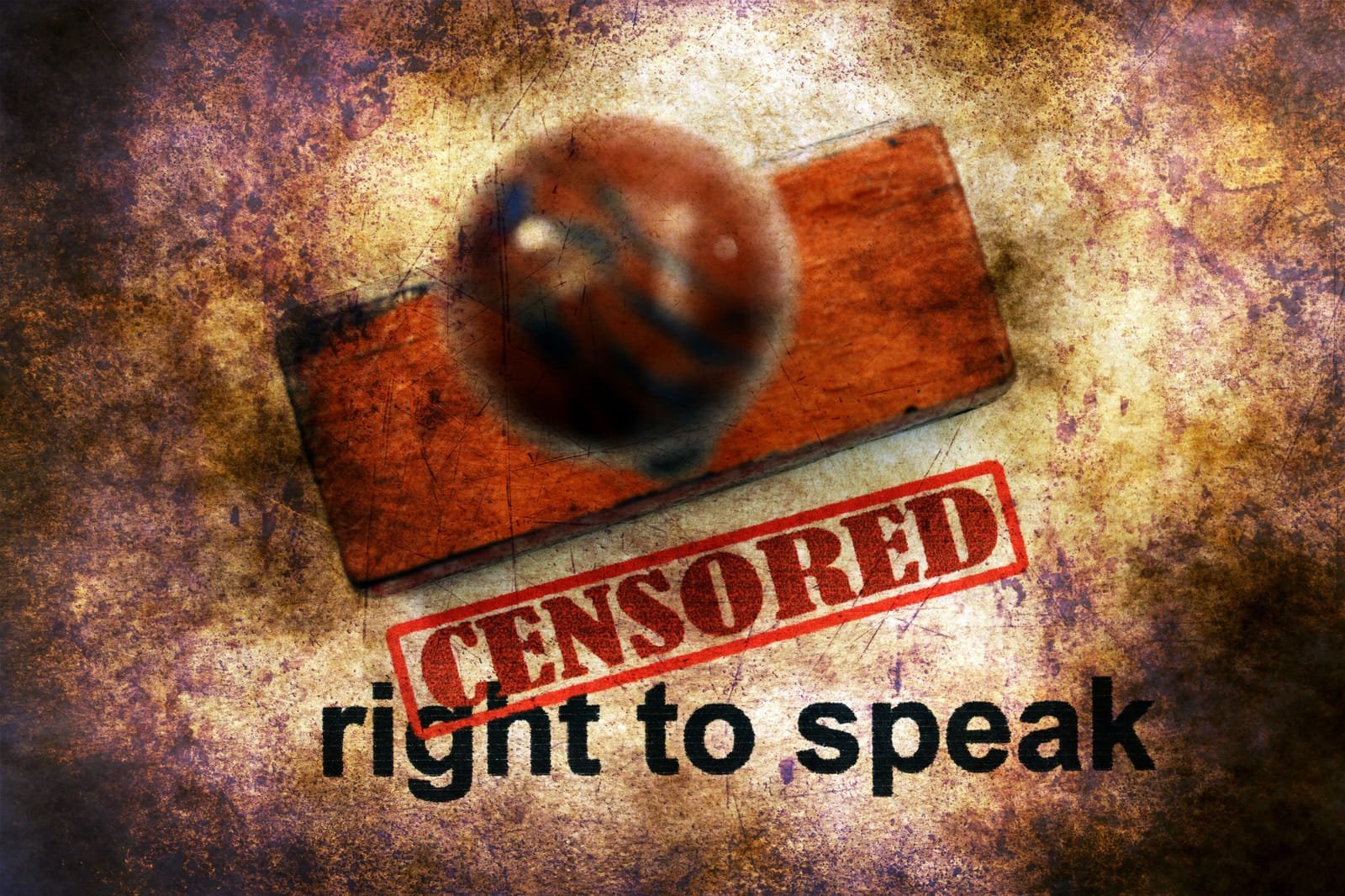
Censorship has become a pervasive issue for NGOs operating in the United States, with many organizations facing increasing pressure to self-censor their messages and activities. This suppression often comes from both governmental and societal sources, creating a chilling effect that stifles open dialogue and debate. For instance, NGOs advocating for climate change action or social justice have found themselves at the receiving end of aggressive pushback from political figures and their supporters, who label their work as radical or un-American.
This environment of fear can lead organizations to tone down their messaging or avoid controversial topics altogether, ultimately undermining their mission.
The suppression of voices within the NGO sector is not limited to public discourse; it extends to funding opportunities as well.
Many foundations and donors are increasingly wary of supporting organizations that may attract negative attention or backlash from political figures or media outlets.
This reluctance can lead to a significant reduction in resources available for NGOs, forcing them to either compromise their values or risk financial instability. The result is a landscape where only the most palatable messages are funded and amplified, further marginalizing critical voices that challenge the status quo.
The Threat to Democracy and Civil Society
The ongoing attacks on NGOs represent a profound threat to democracy and civil society in the United States, and by extension, the global society. These organizations serve as essential checks on government power, advocating for transparency, accountability, and social justice. When NGOs are silenced or marginalized, the voices of ordinary citizens are also diminished.
This erosion of civil society can lead to a more authoritarian political climate where dissent is not tolerated, and critical issues are swept under the rug. Moreover, the weakening of NGOs has far-reaching implications for civic engagement and participation. As these organizations struggle to operate in an increasingly hostile environment, citizens may become disillusioned with the idea of advocacy and activism altogether.
This disengagement can create a vicious cycle where fewer people participate in democratic processes, leading to further erosion of rights and freedoms. In essence, the attacks on NGOs are not just an assault on individual organizations; they represent an existential threat to the democratic ideals that underpin American society.
Legal Challenges and Advocacy Efforts to Protect NGOs
In response to the rising tide of attacks on NGOs, various legal challenges and advocacy efforts have emerged to protect these organizations and their right to operate freely. Yet will they be enough? Will the safeguards to American democracy hold? Many NGOs have banded together to challenge restrictive laws and policies that threaten their ability to function effectively. These legal battles often focus on issues such as freedom of speech, funding restrictions, and the right to assemble peacefully.
By standing up against unjust laws, these organizations are not only defending their own interests but also setting important precedents for future generations. The “right side of history” principle often takes generations. Advocacy efforts have also gained momentum as civil society groups work tirelessly to raise awareness about the challenges facing NGOs. Campaigns aimed at educating the public about the vital role these organizations play in society have become increasingly important.
By mobilizing grassroots support and engaging with policymakers, advocates are striving to create an environment where NGOs can thrive rather than merely survive. These efforts are crucial in countering the narrative that seeks to undermine the legitimacy of civil society organizations.
The Impact of Attacks on NGOs’ Ability to Serve Communities
The attacks on NGOs have tangible consequences for their ability to serve communities effectively. As funding sources dwindle and public support wanes, many organizations are forced to scale back their programs or even shut down entirely. This loss is particularly devastating for marginalized communities that rely on these services for basic needs such as food security, healthcare, and education.
While it is not the United States responsibility to “save the world”, it is their responsibility as the global superpower that has benefitted enormously from the system to continue to mitigate human suffering and decline.
When NGOs are unable to fulfill their missions due to external pressures, it is often the most vulnerable populations who suffer the most. Additionally, the fear of backlash can lead NGOs to avoid addressing critical issues that require urgent attention. For example, organizations focused on racial justice or environmental advocacy may hesitate to engage in bold initiatives due to concerns about public perception or potential repercussions from political leaders.
This self-censorship not only limits the impact of these organizations but also deprives communities of essential resources and advocacy efforts that could drive meaningful change.
International Implications of the War on Free Speech
The war on free speech and attacks on NGOs in the United States have international implications that extend far beyond its borders. As one of the world’s leading democracies, America sets a precedent for other nations regarding civil liberties and human rights. When attacks on free speech occur at home, it sends a troubling message to authoritarian regimes around the world that such behavior is acceptable or even justifiable.
This erosion of democratic norms can embolden oppressive governments to further clamp down on dissenting voices within their own borders.
Moreover, international NGOs often look to American organizations for guidance and support in their own struggles against censorship and repression.
When U.S.-based NGOs face significant challenges, it can create a ripple effect that undermines global efforts to promote human rights and social justice.
The interconnectedness of civil society means that attacks on free speech in one country can have far-reaching consequences for activists and organizations worldwide.
The Importance of Defending NGOs and Free Speech in the United States
Defending NGOs and free speech is not merely an issue for those directly involved in advocacy work; it is a fundamental concern for all citizens who value democracy and civil society. The ability to express dissenting opinions, advocate for change, and hold those in power accountable is essential for a healthy democracy. As such, it is imperative that individuals stand up against attacks on NGOs and support efforts aimed at protecting their rights.
Engaging with local organizations, participating in advocacy campaigns, and raising awareness about the challenges facing NGOs are all ways individuals can contribute to this vital cause. By fostering a culture of support for civil society organizations, we can help ensure that diverse voices continue to be heard in our democracy. Ultimately, defending NGOs and free speech is about safeguarding our collective future—a future where every individual has the opportunity to contribute to positive change in their communities and beyond.