
To effectively communicate with your audience, you first need to understand who they are. This means going beyond basic demographics like age, gender, and location. It’s about diving into their interests, values, and motivations.
In this respect, NGOs and NPOs should act much like businesses. Know your audience.
For instance, if you’re reaching out to potential donors for a nonprofit organization, consider what causes resonate with them. Are they passionate about environmental issues, education, or healthcare? Knowing these details can help you tailor your message in a way that speaks directly to their hearts and minds.
Moreover, understanding your audience involves recognizing their preferred communication styles. Some people appreciate a formal tone, while others respond better to a casual, friendly approach. You might find that younger audiences prefer quick, snappy messages delivered through social media, while older generations might appreciate a more traditional email format.
By segmenting your audience based on these preferences, you can create targeted campaigns that feel personal and relevant, increasing the likelihood of engagement.
Crafting Compelling Subject Lines
The subject line of your email is your first impression, and as we all know, first impressions matter. A compelling subject line can be the difference between someone opening your email or sending it straight to the trash folder. Think of it as the headline of a news article; it needs to grab attention and spark curiosity.
Use action-oriented language and create a sense of urgency or exclusivity.
For example, instead of saying “Monthly Newsletter,” try “Unlock Exclusive Insights: Your October Update Awaits
” Experimentation is key when it comes to crafting subject lines. A/B testing different versions can provide valuable insights into what resonates with your audience.
You might find that questions pique interest more than statements or that using numbers (like “5 Ways to Make a Difference”) can increase open rates. The goal is to create a subject line that not only captures attention but also accurately reflects the content of your email, ensuring that readers feel satisfied when they click through.
Personalizing Your Emails
Someone might open that newsletter: be prepared
Personalization goes beyond simply inserting a recipient’s name into the greeting. It’s about making your audience feel seen and valued. When you personalize your emails, you show that you understand their unique preferences and needs.
For instance, if you know a donor has previously contributed to a specific project, reference that project in your email. This not only acknowledges their past support but also reinforces their connection to your cause. Additionally, consider segmenting your email list based on past interactions or interests.
By tailoring content to specific groups—such as first-time donors versus long-time supporters—you can create a more meaningful experience for each recipient. Personalization can also extend to the timing of your emails; sending messages at times when your audience is most likely to engage can significantly boost response rates. In essence, the more you can make your emails feel like a conversation rather than a broadcast, the more effective they will be.
Creating Clear Calls to Action
Every email should have a clear purpose, and that purpose should be encapsulated in a strong call to action (CTA). Whether you want recipients to donate, volunteer, or simply learn more about your organization, your CTA should be unmistakable and compelling. Use action verbs that encourage immediate response—words like “Join,” “Donate,” or “Discover” can create a sense of urgency and excitement.
Placement is also crucial when it comes to CTAs. Ideally, they should be positioned prominently within the email so that they catch the reader’s eye without overwhelming them. Consider using buttons instead of plain text links; buttons are visually appealing and can draw attention more effectively.
Additionally, don’t shy away from including multiple CTAs throughout your email if appropriate. Just ensure that each one is relevant and leads the reader toward the same goal.
Utilizing Visual Content
In today’s fast-paced digital world, visual content plays an essential role in capturing attention and conveying messages quickly. Incorporating images, infographics, or videos into your emails can enhance engagement and make your content more digestible. For instance, if you’re sharing success stories from beneficiaries of your nonprofit’s work, consider including before-and-after photos or short video testimonials.
These visuals can evoke emotions and create a stronger connection with your audience. However, it’s important to strike a balance between visuals and text. Too many images can distract from your message or cause emails to load slowly, leading to frustration for recipients.
Aim for a harmonious blend where visuals complement the written content rather than overshadow it. Additionally, ensure that all images are optimized for mobile devices since many people check their emails on smartphones or tablets. A well-designed email with engaging visuals can significantly enhance the overall user experience.
Testing and Analyzing Your Campaigns
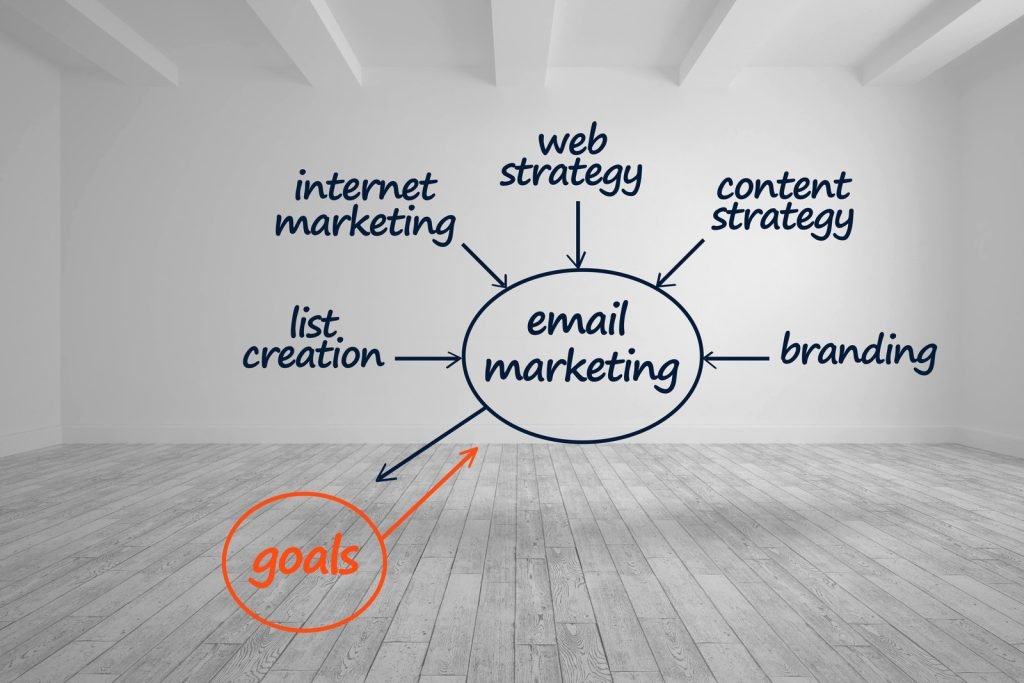
The basic principles of business email marketing
Once you’ve crafted your email campaigns, the work doesn’t stop there. Testing and analyzing their performance is crucial for continuous improvement. Start by setting clear goals for each campaign—whether it’s increasing open rates, click-through rates, or donations—and use analytics tools to track these metrics over time.
This data will provide insights into what works and what doesn’t. A/B testing is an invaluable method for refining your approach. By sending two variations of an email to different segments of your audience, you can determine which elements resonate more effectively—be it subject lines, content layout, or CTAs.
Over time, these insights will help you hone your strategy and create campaigns that consistently achieve better results. Remember, the digital landscape is always evolving; staying adaptable and responsive to data will keep your communications fresh and relevant.
Building Trust and Credibility
In an age where skepticism runs high, building trust with your audience is paramount. Transparency is key; be open about how donations are used and share stories of impact that illustrate the difference supporters are making. Regular updates on projects and initiatives not only keep donors informed but also reinforce their belief in your organization’s mission.
Additionally, consider showcasing testimonials from beneficiaries or other supporters in your emails.
Real stories from real people can humanize your organization and foster a deeper emotional connection with potential donors.
When recipients see tangible evidence of how their contributions make a difference, they’re more likely to feel confident in supporting your cause.
Cultivating Relationships with Donors
Finally, remember that donor relationships are not one-time transactions; they’re ongoing partnerships built on mutual respect and appreciation. Regular communication is essential for nurturing these relationships. Send thank-you emails promptly after receiving donations and follow up with updates on how their contributions are making an impact.
Consider creating exclusive opportunities for donors to engage further with your organization—such as behind-the-scenes tours or special events—where they can see firsthand the work being done. This not only strengthens their connection but also encourages them to become advocates for your cause within their own networks. By cultivating these relationships over time, you’ll create a loyal base of supporters who are invested in your mission and eager to contribute in meaningful ways.
In conclusion, effective email communication requires a thoughtful approach that prioritizes understanding your audience, crafting compelling messages, personalizing content, creating clear calls to action, utilizing visuals wisely, testing strategies rigorously, building trust through transparency, and nurturing relationships with donors. By implementing these strategies, you’ll not only enhance engagement but also foster lasting connections that drive support for your cause.